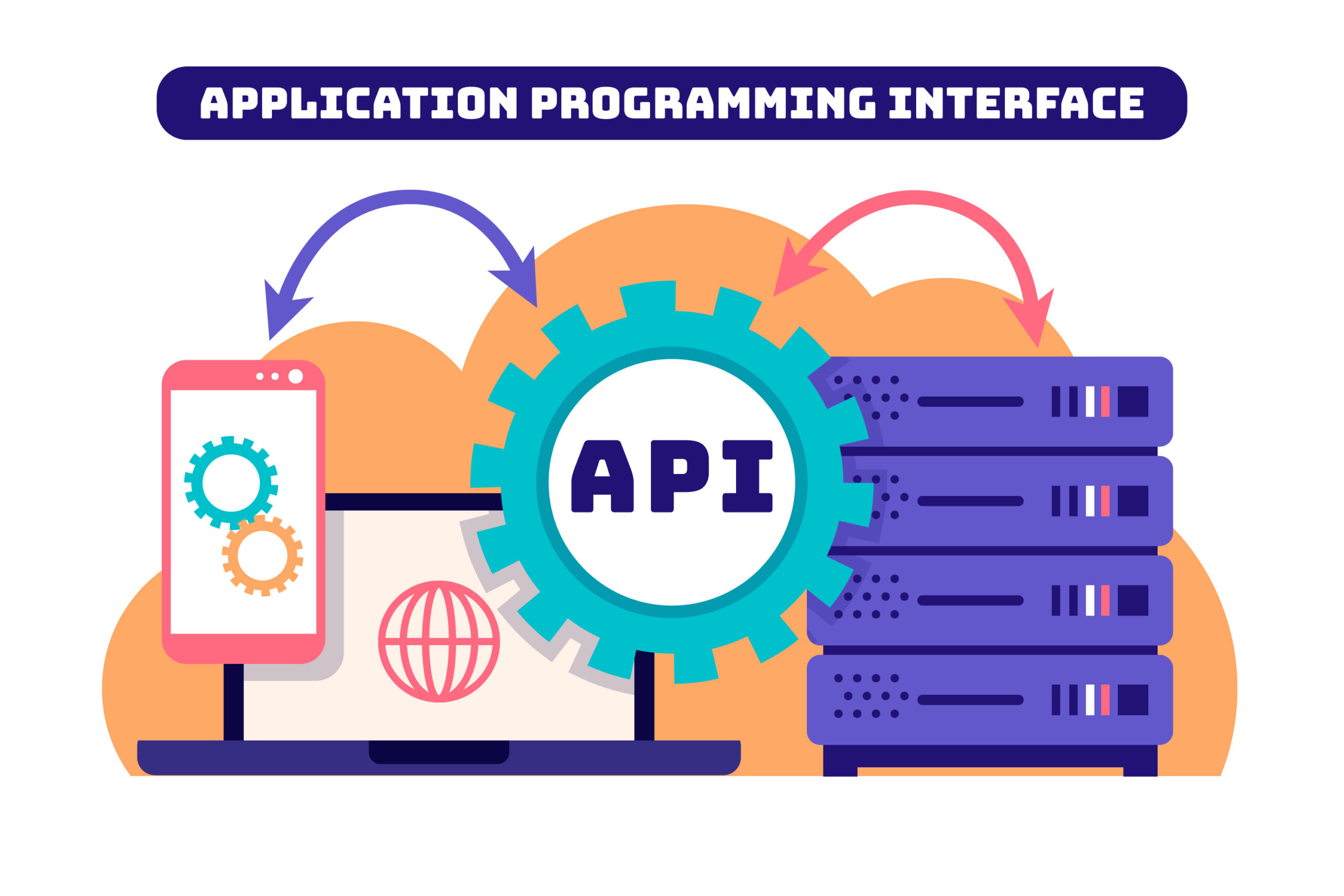
Software development outsourcing is no longer just a cost-saving tactic; it has become a strategic growth lever for companies worldwide. Startups, mid-sized businesses, and enterprises are increasingly relying on global development partners to accelerate innovation, access specialized skills, and reduce time-to-market.
Yet many business leaders still struggle with key questions:
Is outsourcing safe? How do you find the right team? What trends will shape the future of development partnerships?
By analyzing competitor content gaps and industry reports, it becomes clear that many articles discuss benefits but rarely explain where outsourcing is heading next. In this guide, we’ll close that gap by exploring nine major trends shaping the global development partnership landscape in 2026, and how companies like Tambena Consulting can help businesses leverage these trends effectively.
Businesses Struggle to Keep Up With Rapid Tech Changes
Technology cycles are faster than ever. New frameworks, security requirements, AI tools, and cloud architectures emerge constantly. Hiring and retaining specialized engineers internally is expensive and time-consuming.
Common challenges companies face include:
- Shortage of skilled developers
- Rising development costs
- Long hiring cycles
- Scaling teams quickly for new projects
- Maintaining product quality while innovating
Many organizations attempt to build everything in-house, only to face delays and budget overruns.
Falling Behind Competitors
When development capacity becomes a bottleneck, businesses experience:
- Missed market opportunities
- Slow product launches
- Overworked internal teams
- Limited innovation
Meanwhile, competitors using global tech partnerships are releasing features faster and expanding into new markets.
This growing gap explains why more organizations now outsource software development to trusted partners who provide scalable engineering resources and technical expertise.
Strategic Global Development Partnerships

Modern outsourcing is no longer about handing off tasks, it’s about collaborative technology partnerships that enable faster innovation.
Below are the 9 most important trends shaping the future of outsourced development in 2026.
1. AI-Enhanced Development Teams
Artificial intelligence is transforming how distributed development teams operate.
AI-powered tools now assist with:
- Code generation
- Automated testing
- Debugging assistance
- Performance optimization
External development teams increasingly integrate AI into their workflows to improve productivity and deliver projects faster.
For businesses, this means outsourced teams can produce higher-quality software in shorter timelines.
Tambena Consulting integrates AI-driven development practices to ensure clients benefit from smarter, more efficient engineering processes.
2. Global Talent Pools Replace Local Hiring
Companies are moving beyond geographical limitations.
Instead of recruiting locally, organizations are partnering with global engineering teams that offer:
- specialized expertise
- multilingual developers
- 24/7 productivity cycles
This trend allows businesses to scale development capacity instantly without long recruitment processes.
Access to international engineering talent also ensures companies stay competitive in emerging technologies like AI, blockchain, and cloud infrastructure.
3. Cloud-Native Engineering Becomes the Standard
More outsourced teams are specializing in cloud-first architectures.
Modern development focuses on:
- microservices architecture
- containerization
- serverless computing
- scalable cloud platforms
These approaches enable faster deployments, better performance, and easier product scaling.
Companies seeking long-term digital growth are increasingly prioritizing partners experienced in cloud-native systems.
Tambena Consulting helps businesses design scalable cloud-ready solutions that support long-term growth.
4. Cybersecurity-Focused Development
Security has become a top priority for businesses working with external development teams.
In 2026, organizations demand:
- secure coding practices
- compliance with international regulations
- data protection protocols
- vulnerability testing
Professional outsourcing partners now include security engineers directly within development teams to ensure safe product delivery.
This integrated approach helps businesses prevent costly data breaches and maintain user trust.
5. Agile Collaboration Across Distributed Teams
Traditional outsourcing models relied on rigid project structures. Today’s approach is far more collaborative.
Modern distributed teams use:
- Agile frameworks
- continuous integration pipelines
- sprint-based planning
- real-time communication tools
These practices enable seamless collaboration between internal teams and external engineers.
Instead of simply delivering tasks, development partners work closely with companies to co-create products and iterate quickly.
6. Product-Focused Partnerships Instead of Task Outsourcing
One of the biggest shifts in outsourcing software development is the move from task-based contracts to product partnerships.
Businesses now expect development partners to:
- understand business goals
- contribute product insights
- recommend technical improvements
- support long-term growth
This shift turns development vendors into strategic technology partners.
Tambena Consulting follows this model by aligning engineering efforts with each client’s business objectives.
7. Hybrid Development Models
Many companies now combine internal teams with external development specialists.
This hybrid model offers the best of both worlds:
Internal teams focus on:
- strategy
- product vision
- core architecture
External teams support:
- feature development
- scaling engineering capacity
- specialized technical tasks
This balanced structure ensures companies maintain control while still benefiting from external expertise.
8. DevOps Integration With External Teams
Continuous delivery is essential in modern software development.
Top outsourcing partners now integrate DevOps practices directly into development workflows, including:
- automated testing pipelines
- continuous deployment systems
- monitoring and performance analytics
- infrastructure automation
This approach enables businesses to release new features faster while maintaining product stability.
Tambena Consulting ensures DevOps integration so clients experience smoother development cycles and quicker releases.
9. Strategic Consulting + Engineering Services
In 2026, companies want more than coding, they want technology guidance.
Development partners increasingly provide:
- digital transformation consulting
- technology stack recommendations
- product architecture planning
- scalability strategies
This consultative approach ensures businesses build software that remains competitive in rapidly changing markets.
Tambena Consulting combines technical expertise with strategic consulting, helping organizations build scalable digital products and modern technology ecosystems.
How Tambena Consulting Supports Business Growth
Tambena Consulting provides end-to-end technology solutions designed to help companies scale development capabilities without operational stress.
Their services include:
Dedicated Development Teams
Businesses gain access to experienced engineers across multiple technologies.
Product Development Support
From idea validation to product launch, teams help companies build reliable digital products.
Technology Consulting
Strategic planning ensures businesses adopt the right tools and architectures for long-term success.
Scalable Engineering Resources
Organizations can quickly expand development capacity as project demands grow.
By combining consulting expertise with engineering talent, Tambena Consulting helps companies innovate faster and reduce development risks.
How to Outsource Software Development?
Many business owners ask this question on platforms like Quora and Reddit. The process becomes easier when broken into clear steps.
1. Define Your Project Requirements
Outline your goals, timeline, and technical needs.
2. Choose the Right Engagement Model
Options may include:
- dedicated teams
- project-based outsourcing
- staff augmentation
3. Evaluate Technical Expertise
Review portfolios, previous projects, and developer skills.
4. Establish Communication Processes
Ensure regular meetings, project tracking tools, and transparent reporting.
5. Start With a Pilot Project
Testing collaboration on a smaller task reduces risks before scaling.
Working with experienced consulting firms like Tambena Consulting helps businesses implement these steps effectively.
Why Outsource Software Development?
Organizations across industries are choosing external development partnerships for several reasons.
Access to Specialized Skills
Companies gain expertise in emerging technologies without lengthy hiring processes.
Faster Time to Market
Dedicated engineering teams accelerate product development cycles.
Cost Efficiency
Businesses reduce recruitment, infrastructure, and operational costs.
Scalability
Development teams can grow or shrink depending on project needs.
Focus on Core Business
Internal teams can concentrate on strategy and innovation while external experts handle technical implementation.
These advantages explain why global development partnerships continue to expand across industries.
Final Thoughts
The future of global development partnerships is evolving rapidly. Trends like AI-powered engineering, cloud-native architecture, hybrid teams, and DevOps integration are reshaping how companies build technology.
Businesses that adapt to these changes will innovate faster, scale more efficiently, and remain competitive in digital markets.
Partnering with experienced firms like Tambena Consulting allows organizations to leverage global expertise, accelerate product development, and turn technology into a powerful growth engine.
FAQs
1. How to outsource software development?
Start by defining project requirements, researching reliable partners, evaluating technical expertise, and launching a pilot project before scaling collaboration.
2. Why outsource software development?
Companies outsource development to reduce costs, access specialized talent, accelerate product launches, and scale engineering teams quickly.
3. What are the risks of development outsourcing?
Potential risks include communication gaps, unclear project requirements, and security concerns. These risks can be minimized by choosing experienced partners and maintaining transparent workflows.
4. How do you choose the right development partner?
Look for partners with strong portfolios, relevant industry experience, transparent communication practices, and proven project delivery processes.
5. Is outsourcing suitable for startups?
Yes. Startups often use external development teams to build MVPs quickly, reduce hiring costs, and access specialized technical skills.