Outsourcing software development has evolved from a cost-cutting strategy to a strategic growth lever for businesses all over the world. In order to speed up innovation, obtain specialized skills, and shorten time-to-market, startups, mid-sized companies, and large corporations are depending more and more on international development partners.
However, a lot of corporate executives continue to grapple with important issues:
Is it safe to outsource? How do you choose the best team? What developments will influence development partnerships in the future?
It is evident from examining rival content gaps and industry reports that while many publications highlight the advantages of outsourcing, they hardly clarify its future directions. We’ll bridge that gap in this book by examining nine key factors influencing the landscape of global development partnerships in 2026 and how firms like Tambena Consulting can assist corporations in successfully utilizing these trends.
Businesses Struggle to Keep Up With Rapid Tech Changes
Cycles of technology are quicker than before. Cloud architectures, AI tools, security requirements, and new frameworks are always emerging. It is costly and time-consuming to hire and retain specialist engineers internally.
Typical difficulties that businesses encounter include:
- Lack of qualified developers
- Rising development costs
- Long hiring cycles
- Rapidly growing teams for new initiatives
- Innovation while preserving product quality
Many businesses try to construct everything internally, only to experience delays and overspending.
Falling Behind Competitors
When development capacity becomes a bottleneck, businesses experience:
- Missed market opportunities
- Slow product launches
- Overworked internal teams
- Insufficient creativity
In the meantime, rivals are entering new areas and offering innovations more quickly thanks to international tech collaborations.
More businesses are now outsourcing software development to reliable partners who offer scalable engineering resources and technological know-how because of this widening gap.
Strategic Global Development Partnerships

These days, outsourcing is more about cooperative technological partnerships that facilitate quicker innovation than it is about task delegation.
The top nine trends influencing outsourced development in 2026 are listed below.
1. AI-Enhanced Development Teams
The way remote development teams work is changing due to artificial intelligence.
AI-powered tools now help with :
- Code generation
- Automated testing
- Debugging assistance
- Performance optimization’
In order to increase productivity and complete projects more quickly, external development teams are increasingly incorporating AI into their workflows.
This means that companies can use outsourced teams to create better software in less time.
Tambena Consulting ensures that clients gain from more intelligent and effective engineering processes by integrating AI-driven development approaches.
2. Global Talent Pools Replace Local Hiring
Businesses are expanding outside regional boundaries.
Rather than hiring domestically, companies are collaborating with international technical teams who provide:
- specialized expertise
- multilingual developers
- 24/7 productivity cycles
Businesses may quickly increase their development capacity thanks to this trend, which eliminates the need for drawn-out hiring procedures.
Companies can maintain their competitiveness in cutting-edge technologies like cloud infrastructure, blockchain, and artificial intelligence by having access to foreign engineering talent.
3. Cloud-Native Engineering Becomes the Standard
Cloud-first architectures are becoming a specialty of more outsourced teams.
The focus of contemporary development is on:
- microservices architecture
- containerization
- serverless computing
- scalable cloud platforms
Better performance, quicker deployments, and simpler product scaling are made possible by these strategies.
Partners with experience with cloud-native solutions are becoming more and more important to businesses looking for long-term digital growth.
Tambena Consulting assists companies in creating cloud-ready, scalable systems that promote long-term expansion.
4. Cybersecurity-Focused Development
Businesses that collaborate with outside development teams now place a high premium on security.
In 2026, companies require :
- secure coding practices
- compliance with international regulations
- data protection protocols
- vulnerability testing
Professional outsourcing partners now include security engineers directly within development teams to ensure safe product delivery.
Businesses may avoid expensive data breaches and preserve customer trust by using this comprehensive approach.
5. Agile Collaboration Across Distributed Teams
Rigid project frameworks were the foundation of traditional outsourcing methods. The method used today is much more cooperative.
Modern distributed teams use:
- Agile frameworks
- continuous integration pipelines
- sprint-based planning
- real-time communication tools
Internal teams and outside engineers can work together seamlessly thanks to these procedures.
Development partners collaborate directly with businesses to co-create products and rapidly iterate, rather than merely providing tasks.
6. Partnerships with a Product Focus Rather than Outsourcing Tasks
The transition from task-based contracts to product partnerships is one of the most significant changes in software development outsourcing.
Companies currently anticipate that development partners will:
- understand business goals
- contribute product insights
- recommend technical improvements
- support long-term growth
This shift turns development vendors into strategic technology partners.
Tambena Consulting follows this model by aligning engineering efforts with each client’s business objectives.
7. Hybrid Development Models
Collaborations that Prioritize Products Over Task Outsourcing
One of the biggest shifts in software development outsourcing is the shift from task-based contracts to product partnerships.
Nowadays, businesses want development partners to:
Internal teams focus on:
- strategy
- product vision
- core architecture
External teams support:
- feature development
- scaling engineering capacity
- specialized technical tasks
This well-balanced structure guarantees that businesses retain control while yet reaping the benefits of outside knowledge.
8. Integration of DevOps with External Teams
In contemporary software development, continuous delivery is crucial.
DevOps techniques are now directly included into development workflows by leading outsourcing partners, such as:
Top outsourcing partners now integrate DevOps practices directly into development workflows, including:
- automated testing pipelines
- continuous deployment systems
- monitoring and performance analytics
- Automation of infrastructure
With this strategy, companies may deploy new features more quickly without sacrificing product stability.
Tambena Consulting guarantees DevOps integration to provide clients with faster releases and more seamless development cycles.
9. Strategic Consulting + Engineering Services
In 2026, companies want more than coding, they want technology guidance.
Development partners increasingly provide:
- digital transformation consulting
- technology stack recommendations
- product architecture planning
- scalability strategies
Businesses can create software that is competitive in quickly evolving markets by using this consultative strategy.
Tambena advising helps businesses create scalable digital products and cutting-edge technology ecosystems by fusing technical know-how with strategic advising.
How Tambena Consulting Supports Business Growth
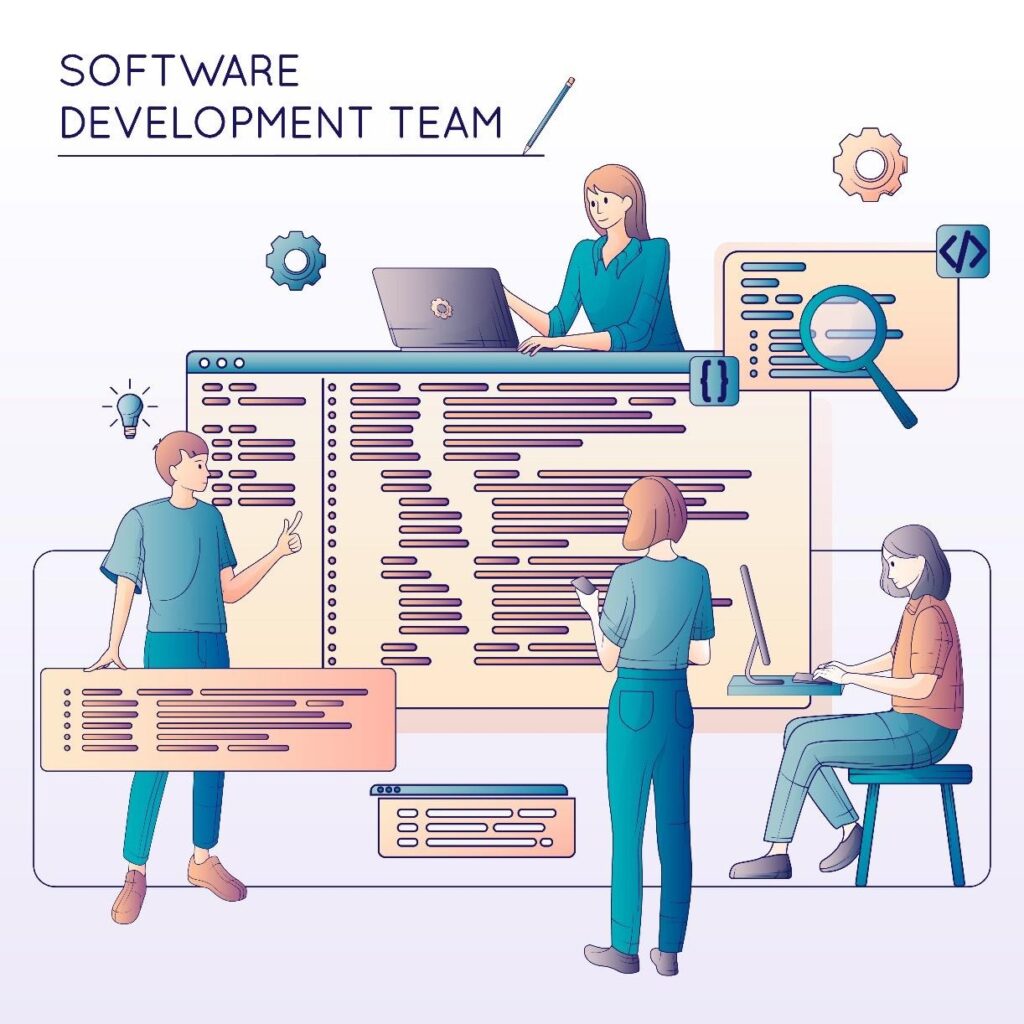
Tambena Consulting offers complete technology solutions that enable businesses to expand their development capacity without experiencing operational strain.
Among their offerings are:
Committed Development Teams
Companies may access skilled engineers in a variety of technologies.
Product Development Support
Teams assist businesses in creating dependable digital products, from idea validation to product launch.
Technology Advisory Services
Adopting the appropriate tools and architectures for long-term success is ensured by strategic planning.
Scalable Engineering Resources
As project demands increase, organizations can swiftly increase their capacity for development.
Tambena Consulting helps businesses innovate more quickly and lower development risks by fusing engineering talent with consulting skills.
How to Outsource Software Development?
This is a topic that many business owners pose on websites like Reddit and Quora. When the procedure is divided into several steps, it becomes simpler.
1. Define Your Project Requirements
Outline your goals, timeline, and technical needs.
2. Choose the Right Engagement Model
Options may include:
- dedicated teams
- project-based outsourcing
- staff augmentation
3. Evaluate Technical Expertise
Review portfolios, previous projects, and developer skills.
4. Establish Communication Processes
Ensure regular meetings, project tracking tools, and transparent reporting.
5. Start With a Pilot Project
Testing collaboration on a smaller task reduces risks before scaling.
Working with experienced consulting firms like Tambena Consulting helps businesses implement these steps effectively.
Why Outsource Software Development?
Organizations across industries are choosing external development partnerships for several reasons.
Access to Specialized Skills
Companies gain expertise in emerging technologies without lengthy hiring processes.
Faster Time to Market
Dedicated engineering teams accelerate product development cycles.
Cost Efficiency
Businesses reduce recruitment, infrastructure, and operational costs.
Scalability
Development teams can grow or shrink depending on project needs.
Focus on Core Business
While outside specialists handle technical execution, internal teams may focus on strategy and creativity.
Global development partnerships continue to grow across industries, which can be explained by these benefits.
Final Thoughts
Global development collaborations are changing quickly in the future. The way businesses develop technology is changing due to trends like cloud-native architecture, hybrid teams, DevOps integration, and AI-powered engineering.
Companies that adjust to these shifts will continue to be competitive in digital markets, develop more quickly, and scale more effectively.
By collaborating with seasoned companies like Tambena Consulting, businesses can take advantage of international knowledge, speed up product development, and use technology as a potent growth engine.
FAQs
1. How may software development be outsourced?
Before expanding cooperation, start by establishing project requirements, finding trustworthy partners, assessing technical proficiency, and starting a pilot project.
2. Why should software development be outsourced?
Businesses outsource development in order to cut expenses, gain access to specialist personnel, expedite product launches, and swiftly grow engineering teams.
3. What dangers come with outsourcing development?
Communication breakdowns, ambiguous project specifications, and security issues are examples of potential hazards. By selecting seasoned partners and upholding open workflows, these risks can be reduced.
4. How do you pick the best development partner?
Seek out partners with solid portfolios, appropriate industry experience, open lines of communication, and tested project delivery procedures.
5. Is outsourcing suitable for startups?
Yes. Startups often use external development teams to build MVPs quickly, reduce hiring costs, and access specialized technical skills.