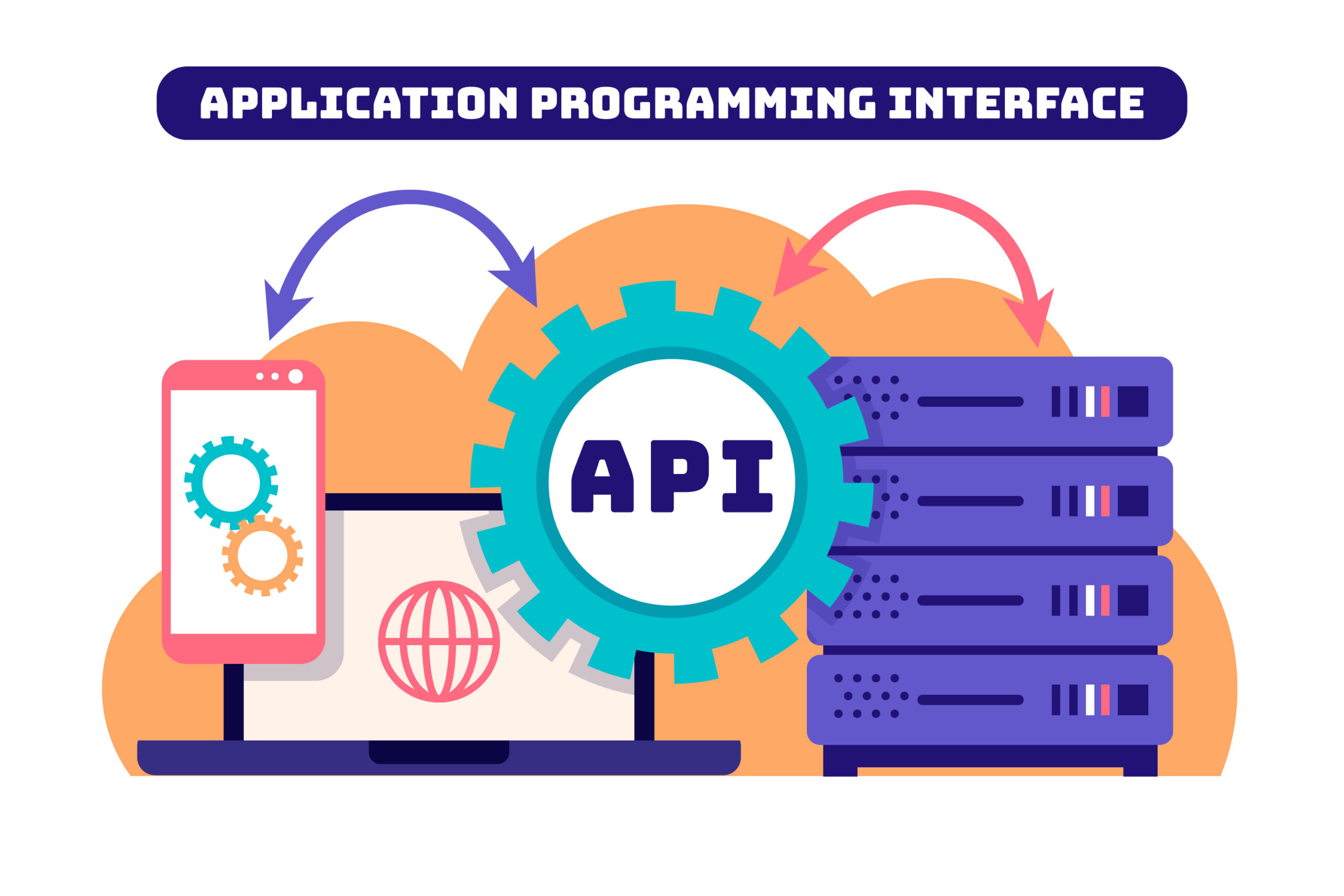
Almost all contemporary applications, including mobile apps, SaaS platforms, payment gateways, and Internet of Things devices, are powered by APIs. However, the attack surface grows significantly when companies disclose more endpoints. Because of this, api security testing has become a critical component of modern API security strategies and an essential practice for organizations seeking to protect web services from evolving cyber threats.
Although functionality and performance are frequently given first priority by developers, security flaws in APIs can reveal private information, interfere with services, and harm a company’s reputation. Many companies only become aware of these problems after a breach has already taken place.
This blog will discuss five tried-and-true best practices for protecting API endpoints, describe how companies may proactively find vulnerabilities through API penetration testing and automated API security testing, and demonstrate how knowledgeable partners like Tambena Consulting assist companies in creating robust, secure web services.
The Top 5 Ways to Protect API Endpoints
1. Conduct Routine Evaluations of API Vulnerabilities
The first step in finding security vulnerabilities before attackers do is to continuously test endpoints.
The Significance of Endpoint Security Evaluations
Many companies don’t do a full security review before launching APIs. New vulnerabilities are brought about over time by code modifications, integrations, and third-party dependencies.
A thorough evaluation should look for:
- Broken authentication
- Improper data exposure
- Injection vulnerabilities
- Weak encryption
- Endpoints that are not set correctly
- Security risks identified in the OWASP API Security Top 10, including broken object-level authorization and excessive data exposure
Developers can automate the identification of these problems across large infrastructures by using specialized api security testing tools and REST API security testing tools.
An Example of an Appropriate Testing Process
Typically, an efficient process consists of:
- API discovery and mapping
- Endpoint authentication testing
- Input validation analysis
- Response data inspection
- Constant observation
- API penetration testing to simulate real-world attacks
Regular api security testing helps organizations maintain greater system integrity and lower the risk of breaches.
2. Put Strong Authorization and Authentication in Place
One of the most frequent reasons for API hacks is inadequate access control.
Authentication Best Practices
Only authorized users are able to connect with APIs thanks to robust authentication procedures.
OAuth 2.0, a secure authorization framework that permits limited access without disclosing credentials, is frequently used by modern systems.
Best practices include:
- Multi-factor authentication
- Secure token issuance
- Role-based permissions
- Secure credential storage
- Implementing OAuth 2.0 flows appropriately to minimize unauthorized access risks
Authorization Controls
Even after authentication, APIs must restrict what users can access.
Among the successful authorization techniques are:
- RBAC, or role-based access control
- Attribute-based policies
- Permission validation per request
- Principle of least privilege enforcement
These measures significantly strengthen the overall API security posture.
3. Use Intelligent Traffic Management
Abuse of APIs, including denial-of-service attempts, scraping, and brute-force assaults, is common.
The Significance of Traffic Management
Attackers can flood endpoints with automated requests if there are no traffic constraints.
By preventing excessive requests from a single client, Rate limiting safeguards servers and guarantees equitable utilization.
Suggested Techniques for Traffic Management
Among the effective controls are:
- Request throttling per user or IP
- Burst control limits
- API gateway filtering
- Keeping an eye out for questionable trends
- Rate limiting policies based on user behavior and endpoint sensitivity
By stopping harmful behavior, these precautions aid in maintaining service stability and helping organizations protect web services against abuse.
4. Verify Secure Sessions and Tokens
To provide safe communication between clients and APIs, authentication tokens are crucial.
Risks of Poor Token Management
If tokens are improperly handled, attackers may:
- Hijack sessions
- Replay requests
- Gain unauthorized access
Secure Token Handling Practices
Implement strict Token validation procedures to ensure every request is legitimate.
Recommended practices include:
- Verifying token signatures
- Enforcing expiration policies
- Rotating tokens regularly
- Using encrypted transmission
- Monitoring token misuse and revoking compromised credentials promptly
By taking these precautions, you can make sure that sensitive endpoints are only accessed by authorized clients.
5. Constantly Examine and Enhance API Defenses
Security is a continuous process rather than a one-time event.
The Significance of Constant Monitoring
As software develops, new vulnerabilities appear on a regular basis. Organizations can swiftly identify questionable activity thanks to ongoing monitoring.
Important monitoring techniques include:
- Logging API activity
- Tracking authentication attempts
- Detecting abnormal traffic patterns
- Automated alert systems
- Integrating automated API security testing into CI/CD pipelines
Proactive Security Reviews
Regular evaluations of your API design assist in spotting hazards before they become more serious. Businesses that integrate proactive evaluations with monitoring greatly lower their vulnerability to cyberattacks.
Additional Best Practice: Align Security Efforts with the OWASP API Security Top 10
Organizations should benchmark their defenses against the OWASP API Security Top 10, one of the most widely recognized frameworks for API security. These guidelines help teams prioritize the most common and impactful API threats, improve development practices, and strengthen endpoint resilience.
Combining the OWASP framework with API penetration testing and automated API security testing provides comprehensive protection throughout the API lifecycle.
How Tambena Consulting Helps Businesses Secure APIs
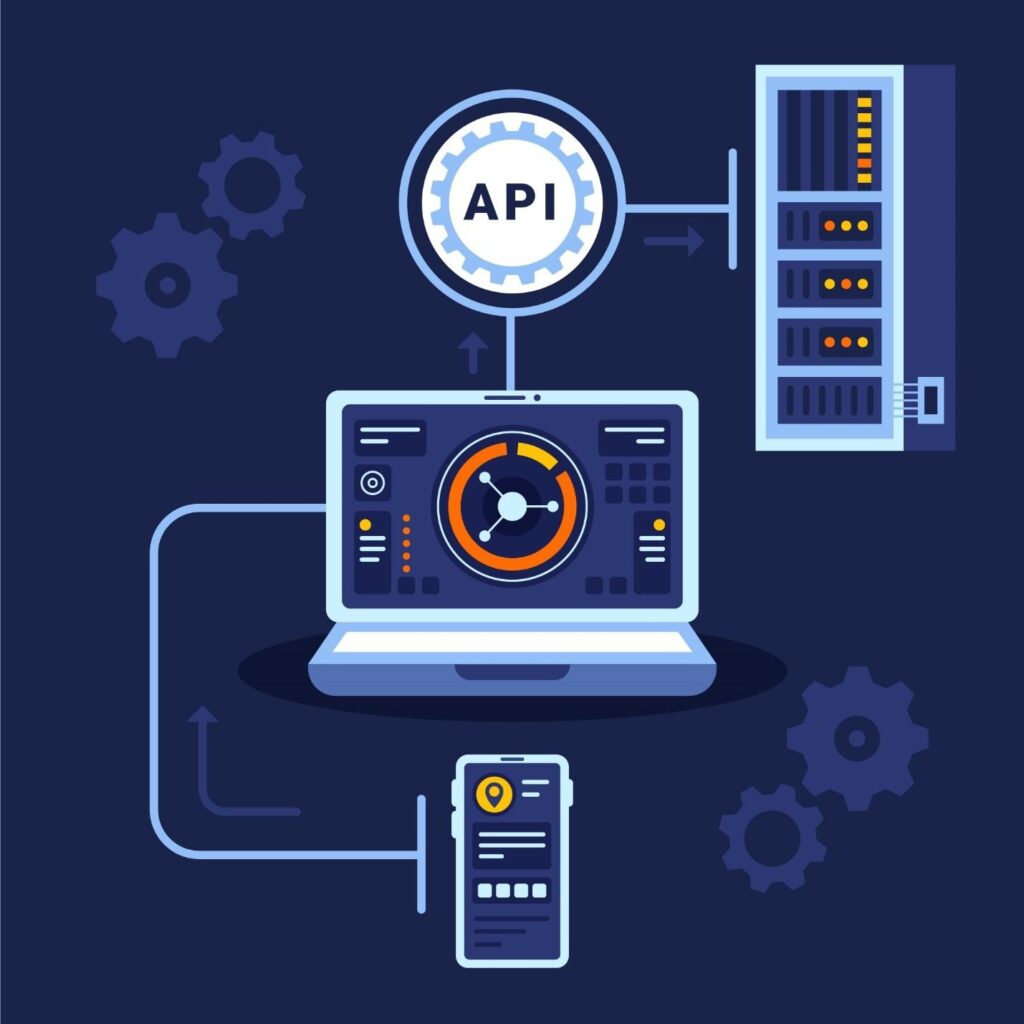
Secure API architecture implementation calls for certain knowledge, equipment, and constant observation. Tambena Consulting is essential in this situation.
Tambena Consulting offers a wide range of services that assist businesses in strengthening their endpoint security and identifying vulnerabilities.
Important Services Provided
1. Vulnerability Analysis and Security Audits
Tambena specialists carry out thorough evaluations to find vulnerabilities throughout API architecture using advanced api security testing tools.
2. Secure Architecture Design
They assist companies in creating solid API frameworks with traffic management, access control, OAuth 2.0 implementation, and strong authentication.
3. Implementing Automated Testing
Tambena incorporates continuous security pipelines, automated API security testing, and sophisticated REST API security testing tools into development processes.
4. Risk Management and Compliance
Guidelines for adhering to security standards and safeguarding sensitive data are provided to organizations in regulated industries.
5. Constant Security Surveillance
Tambena uses threat detection, enhancement techniques, and ongoing monitoring to guarantee the security of APIs.
Businesses can significantly lower security risks while preserving high-performance digital services by collaborating with seasoned experts.
Secure Your APIs Before Attackers Find the Weakness
Although APIs are one of the most susceptible components of application infrastructure, they are crucial to contemporary digital services.
Even a minor mistake might result in significant data breaches in the absence of proactive security procedures.
Businesses can maintain the security, scalability, and resilience of their APIs by putting structured security measures into place and collaborating with specialists like Tambena Consulting.
It’s time to assess and improve your security posture if your company uses APIs to power apps or digital services.
Securing APIs is now essential since they continue to drive contemporary digital ecosystems. By putting robust security procedures in place today—including api security testing, API penetration testing, token validation, rate limiting, and continuous monitoring—you can ensure that your applications remain secure, scalable, and reliable in the future.
FAQs
What is security testing for APIs?
It is the process of assessing application programming interfaces to find weaknesses that attackers could exploit, such as data disclosure risks, authentication issues, and vulnerabilities. The objective is to guarantee that APIs manage requests securely, safeguard private information, and stop unwanted access.
Where did API security testing come from?
The idea changed as web services and service-oriented architecture became more popular in the early 2000s. Security experts created specific techniques to assess APIs’ vulnerabilities and safeguard data exchanges as they became extensively utilized for mobile apps, cloud services, and integrations.
How is API security testing carried out?
Security experts simulate actual attack scenarios in order to examine API endpoints. Examining authentication methods, checking input validity, evaluating answers, and keeping an eye on how APIs respond to fraudulent or unexpected requests are all part of this process. For comprehensive coverage, automated tools and human methods are frequently combined, including API penetration testing and automated API security testing.
What makes API security testing crucial?
APIs often reveal important backend functionality and business data. Attackers can obtain private data, interfere with services, or alter systems if they are breached. Testing enables businesses to find vulnerabilities early and stop expensive breaches.
What are the advantages of employing security testing for APIs?
Among the main advantages are:
- Finding weaknesses before attackers take advantage of them
- Safeguarding private client and corporate information
- Increasing the dependability of applications
- Encouraging adherence to regulations
- Enhancing the general cybersecurity posture
- Helping organizations protect web services against emerging threats
Regular API testing helps organizations lower operational risk and create more reliable digital offerings.
How can API security be tested?
Testing usually entails multiple steps:
- Mapping every API endpoint that is accessible
- Examining authorization and authentication procedures
- Testing error handling and input validation
- Examining the exposure of response data
- Attack simulation, including injection and brute force attempts
- Keeping an eye on traffic patterns and logs
- Evaluating controls against the OWASP API Security Top 10
- Leveraging REST API security testing tools for broader coverage
To guarantee complete coverage, several companies additionally mix automated testing methods with skilled hand analysis.