If you’re wondering how to design a website, you’re not alone. Millions of entrepreneurs, bloggers, and businesses search for ways to build a professional online presence every year. A well-designed website is more than just an online page; it’s your digital storefront, brand identity, and marketing engine all in one.
The challenge is that many beginners feel overwhelmed by the process. Questions like Which platform should I use? How do I design something that looks professional? How much will it cost? often stop people before they even start.
The good news is that website creation today is easier than ever. With the right strategy, tools, and guidance, anyone can build a powerful website that attracts visitors and converts them into customers.
In this complete guide, you’ll learn how to design a website step-by-step, including planning, design principles, tools, costs, and expert tips. You’ll also see how Tambena Consulting services can help businesses build high-performing websites that drive real results.
Why Many Websites Fail
Many people rush into website creation without proper planning. As a result, they end up with websites that:
- Look unprofessional
- Load slowly
- Are difficult to navigate
- Fail to attract traffic
- Don’t convert visitors into customers
The biggest struggle beginners face is not knowing where to start. They often jump straight into design without defining goals, audience, or structure.
This leads to frustration, wasted money, and websites that never achieve their purpose.
A Strategic Approach to Website Design
The key to success is following a structured process. Instead of randomly choosing templates and colors, professional web designers follow a proven framework that includes planning, design, development, and optimization.
Let’s walk through the entire process step by step.
Step-by-Step Guide to Building a Website
1. Define Your Website’s Purpose
Before designing anything, ask yourself:
- What is the goal of my website?
- Who is my target audience?
- What action do I want visitors to take?
Common website goals include:
- Selling products (eCommerce website)
- Generating leads for a business
- Showcasing a portfolio
- Sharing information through a blog
When your goal is clear, your design decisions become easier.
2. Plan Your Website Structure
A good website is easy to navigate. That means organizing your pages in a logical structure.
Typical website pages include:
- Home
- About
- Services or Products
- Blog
- Contact
Creating a sitemap helps you visualize the user journey and improve website navigation, site architecture, and user experience (UX).
3. Choose the Right Platform
If you’re looking to how to start a website, selecting the right platform is crucial.
Popular options include:
- WordPress
- Shopify (for eCommerce)
- Webflow
- Wix
- Squarespace
WordPress is the most widely used because it offers flexibility, scalability, and strong SEO capabilities.
4. Pick a Domain Name and Hosting
Your domain name is your website’s address on the internet.
Tips for choosing a domain:
- Keep it short and memorable
- Avoid numbers and hyphens
- Use brand keywords if possible
After choosing a domain, you’ll need web hosting. Hosting stores your website files and makes them accessible online.
Reliable hosting ensures:
- Fast page load speed
- High uptime
- Better security
These factors directly affect SEO performance, website speed optimization, and user satisfaction.
5. Design the User Interface (UI)
The visual appearance of your website is called the User Interface (UI).
Good website design focuses on:
- Clean layout
- Consistent colors
- Readable typography
- High-quality images
Your design should guide visitors naturally toward important elements such as buttons, forms, and calls-to-action.
6. Focus on User Experience (UX)
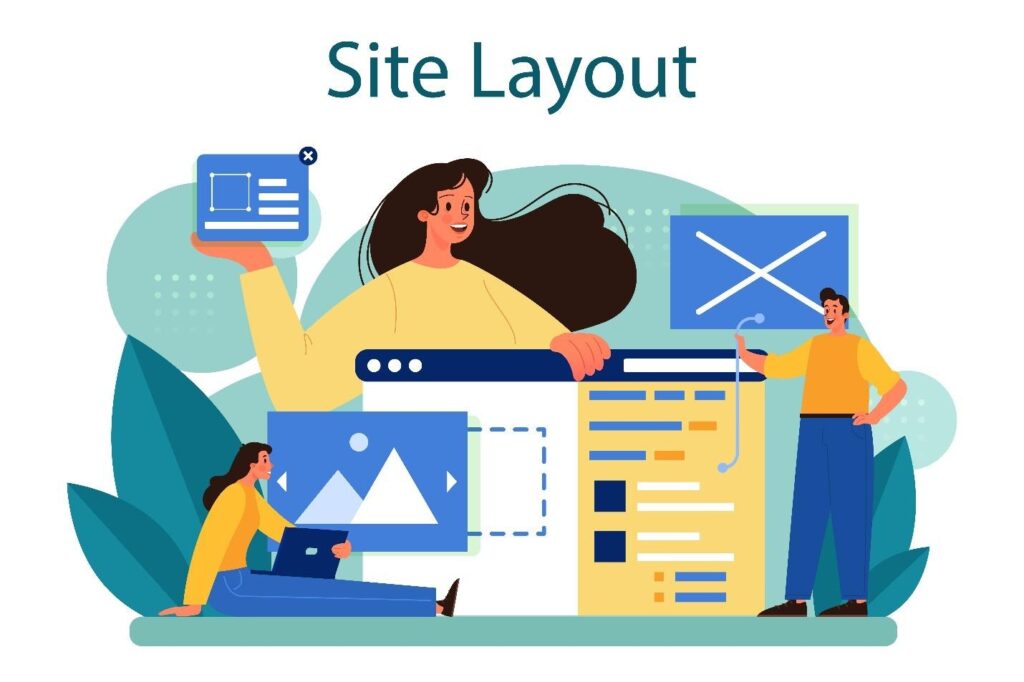
User experience determines whether visitors stay on your website or leave.
Key UX elements include:
- Mobile responsiveness
- Easy navigation
- Fast loading speed
- Clear content hierarchy
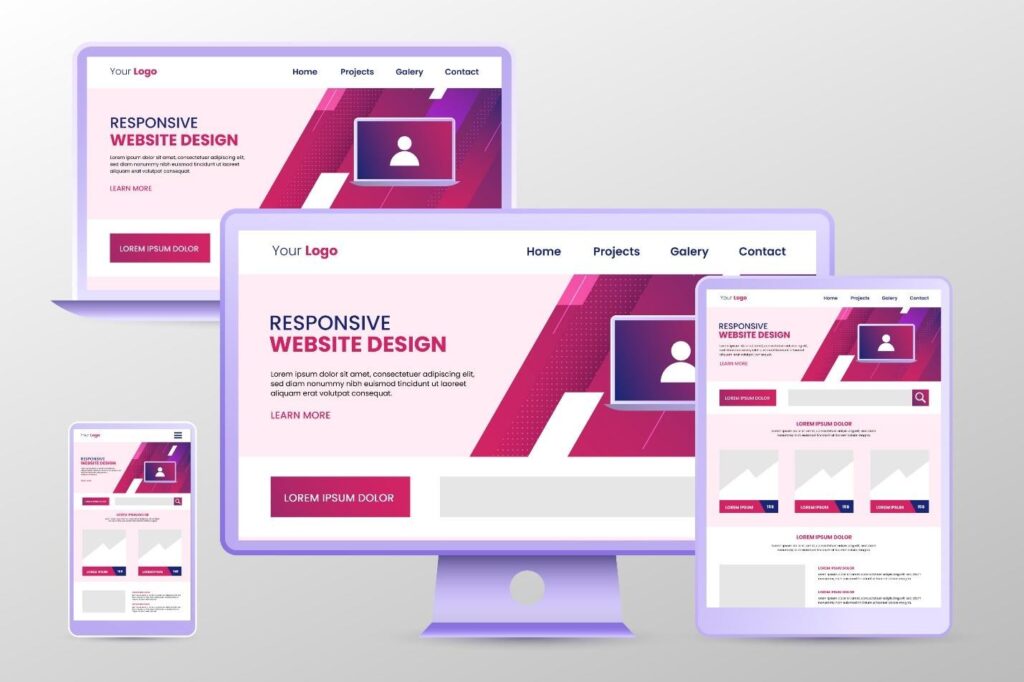
A responsive design ensures your website works perfectly on smartphones, tablets, and desktops.
7. Create High-Quality Content
Content is the backbone of any successful website.
Your website should include:
- Informative service pages
- SEO-friendly blog posts
- Clear product descriptions
- Helpful resources for users
High-quality content improves search engine optimization (SEO), increases engagement, and builds trust with your audience.
8. Add Essential Features
Depending on your goals, you may need additional website features such as:
- Contact forms
- Live chat
- Booking systems
- Payment gateways
- Email newsletter integration
These features enhance functionality and improve customer interaction.
9. Optimize Your Website for SEO
Without SEO, your website may never appear in search results.
Important SEO practices include:
- Keyword optimization
- Internal linking
- Meta tags and descriptions
- Image optimization
- Mobile performance
Using relevant LSI terms like web development, responsive design, website layout, UX design, site optimization, and digital presence helps search engines understand your content better.
10. Test and Launch Your Website
Before launching your website, test everything carefully.
Check for:
- Broken links
- Mobile responsiveness
- Page loading speed
- Form functionality
- Browser compatibility
Once everything works perfectly, you can launch your website and start promoting it through marketing channels.
How Tambena Consulting Can Help Your Business
Designing a website requires both technical skills and strategic thinking. This is where Tambena Consulting services can make a major difference.
Tambena Consulting helps businesses by providing:
Strategic Website Planning
They analyze your business goals and target audience to create a website strategy that drives results.
Professional Website Design
Their team focuses on modern UI/UX design principles to ensure your website looks professional and converts visitors into customers.
SEO Optimization
Tambena Consulting integrates advanced SEO strategies to help your website rank higher on search engines and attract organic traffic.
Performance Optimization
From faster load times to mobile responsiveness, they ensure your website delivers a seamless user experience.
Ongoing Website Support
Website maintenance, updates, and optimization are essential for long-term success, and their team provides continuous support.
If you want to create your own website for your business but don’t want to deal with the technical complexity, Tambena Consulting can help you build a scalable and high-performing online presence.
Website Design Best Practices
To build a successful website, follow these professional design principles:
Keep It Simple
Minimalist design improves usability and keeps visitors focused.
Use Clear Calls-to-Action
Guide visitors toward actions like contacting you, signing up, or making a purchase.
Maintain Visual Consistency
Use consistent fonts, colors, and layouts throughout the site.
Prioritize Speed
Fast-loading pages improve both user experience and search rankings.
Make It Mobile-Friendly
More than half of internet traffic comes from mobile devices.
Final Thoughts
Learning how to design a website doesn’t have to be complicated. By following a structured process, planning your goals, designing with user experience in mind, and optimizing for search engines, you can build a website that looks professional and performs effectively.
However, if you want a website that truly drives business growth, working with experts like Tambena Consulting can save time, reduce mistakes, and deliver a high-performing online platform.
Whether you’re launching a startup, growing a small business, or building a personal brand, a well-designed website is one of the most valuable digital assets you can have.
FAQs
What steps do you follow when designing a website from start to finish?
Designing a website usually follows these steps:
- Define website goals
- Research target audience
- Plan website structure
- Choose platform and hosting
- Design layout and UI
- Develop website pages
- Add content and features
- Optimize for SEO
- Test functionality and responsiveness
- Launch and maintain the website
Following this structured process ensures your website is both functional and effective.
How to design a website from scratch?
To design a website from scratch, start by planning your website goals and audience. Next, choose a domain name and hosting service. Then select a platform like WordPress or Webflow to build the site.
After that, design the layout, create content, optimize for SEO, test all features, and launch the website. Consistent updates and performance monitoring are essential for long-term success.
How much does it cost to design a website?
The cost of designing a website varies depending on complexity and features.
Typical cost ranges include:
- Basic website: $200 – $800
- Small business website: $800 – $5,000
- Custom professional website: $5,000 – $20,000+
Factors affecting cost include design complexity, number of pages, custom features, SEO optimization, and ongoing maintenance.
Do I need coding skills to design a website?
No. Modern website builders and CMS platforms allow you to design websites without coding. However, basic knowledge of HTML, CSS, and web design principles can be helpful.
How long does it take to build a website?
A basic website can take a few days to a week, while a professional business website may take 4–8 weeks, depending on complexity, content creation, and testing.