Highlights
- Performance testing checks response times, stability, scalability, and resource use under different workloads.
- DevOps integrates testing early, automating performance checks in CI/CD pipelines for faster feedback.
- Training combines performance testing with DevOps for practical, real-world workflow alignment.
Learning includes tools, scripting, cloud/microservices awareness, and collaboration for continuous improvement.
In today’s fast-paced digital world, software teams are releasing new updates and features more often than ever before. To manage this challenge, many organizations are adopting DevOps practices that focus on teamwork, automation, and continuous delivery. However, without proper performance testing, even the best DevOps setups can lead to slow applications or user frustration.
In this guide, we’ll cover what performance testing is and how performance testing training with DevOps concepts can elevate your skills and software quality.
What is Performance Testing?
Performance testing evaluates how an application behaves under specific workloads: response times, throughput, stability, and resource usage. The key sub-types you’ll often see include:
- Load testing (expected number of users)
- Stress testing (beyond expected loads)
- Spike testing (sudden surge)
- Endurance/soak testing (sustained usage)
- Scalability testing (how well the system scales)
Why Performance Testing Matters In Modern Delivery?
Poor performance can slow adoption, damage brand reputation, increase costs (including infrastructure and support), and delay releases. When you connect performance to fast delivery cycles, you’re protecting the business, not just checking boxes. Training in performance testing equips you with the skills to identify performance issues early, make data-driven recommendations, and help maintain a smooth end-user experience.
What is DevOps and Why Its Concepts Matter in Testing?
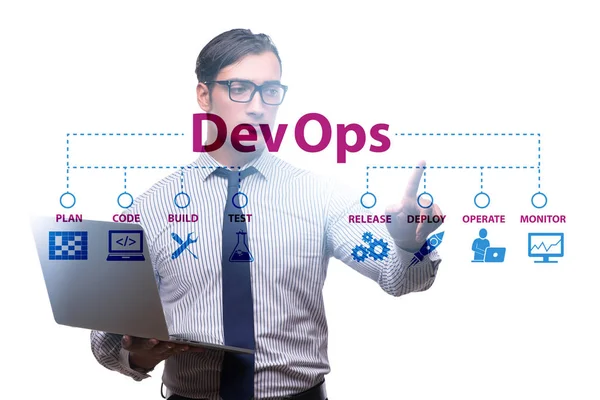
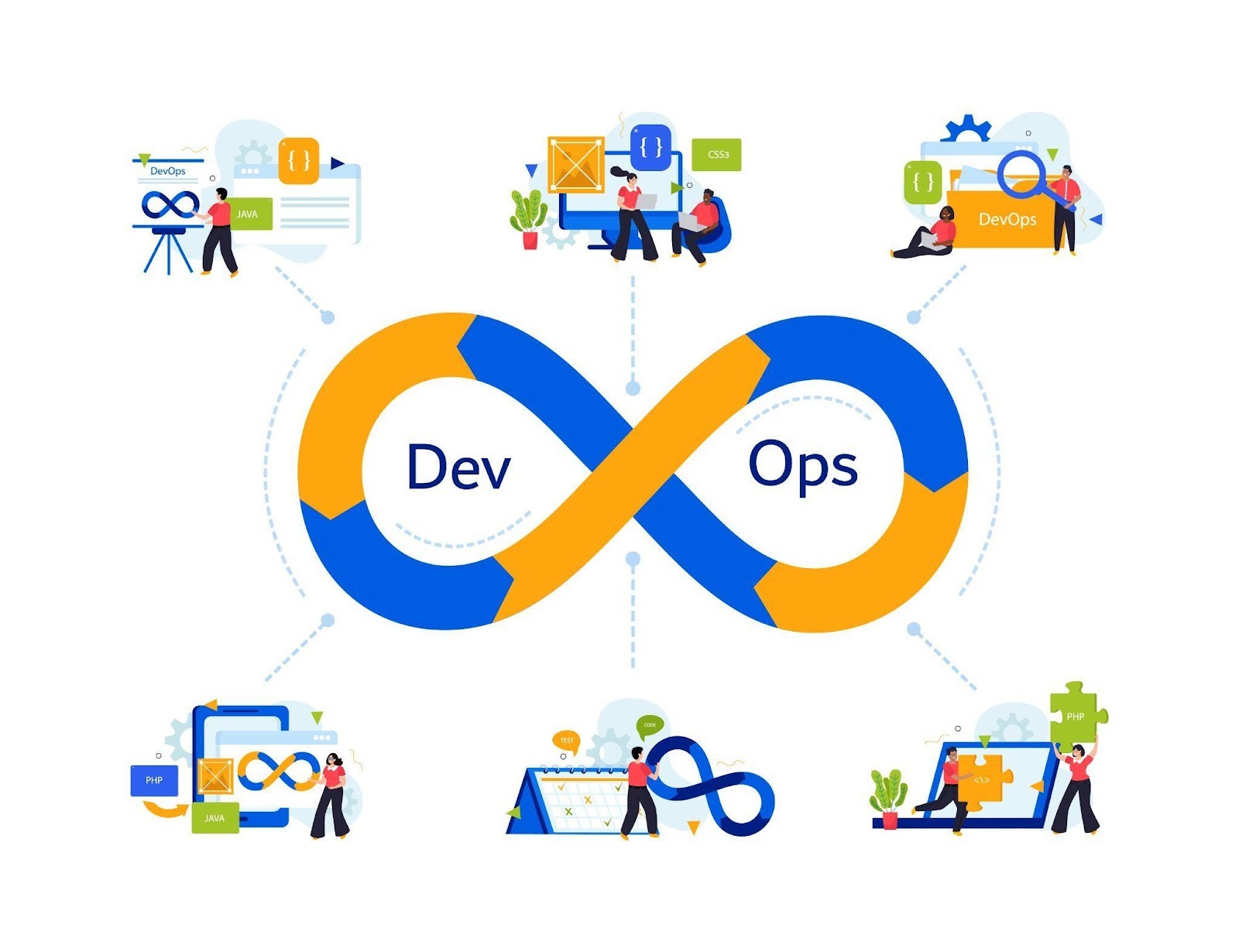
DevOps is a cultural and technical approach that integrates development (Dev) and operations (Ops) teams, emphasising automation, continuous delivery, feedback loops, and infrastructure as code.
In a DevOps world, testing isn’t a separate stage. Testing is embedded, continuous, automated, and aligned with CI/CD pipelines. The principle of “shift-left” (test earlier) applies. Moreover, if performance testing remains a late-stage activity, it becomes a bottleneck. With DevOps, you need performance feedback early, integrating it into the pipeline, which enables faster insights and corrections.
Why Choose Performance Testing Training With DevOps Concepts?
Here, we address why performance testing training with DevOps concepts is worth it:
- Alignment with Real-World Environments
Training that combines performance testing with DevOps concepts reflects actual organisational workflows, including CI/CD pipelines, automated deployments, infrastructure as code, microservices, and cloud-native applications. This means your learning is more practical and applicable.
- Early Detection and Shift-Left Mindset
By understanding DevOps pipelines, you can add performance testing earlier (for example, in builds, staging, or even feature toggles) rather than waiting until production.
- Automation, Scalability, and Repeatability
In DevOps, manual testing is too slow. Training covers how to automate performance tests, integrate them into pipelines, utilize tools that scale (cloud-based and containerized), and create reusable assets. For example, training materials note the importance of automating early and often.
- Holistic Mindset
Most people are familiar with tools (e.g., Apache JMeter, Gatling), but performance testing training with DevOps concepts focuses on architectural awareness, pipeline integration, monitoring, observability, and feedback loops. That means you become a strategic voice, not just someone who “runs load tests”.
- Career Relevance and Business Value
Organisations investing in DevOps want people who understand delivering performance-aware software rapidly. Having training that explicitly addresses “performance testing + DevOps” makes you more hireable and more valuable internally. Additionally, you contribute directly to business outcomes (uptime, scalability, and cost optimization), which raises your profile.
What are the Learning Outcomes of Performance Testing Training with DevOps Concepts?

Let’s break down the knowledge you’ll gain from this type of training:
- DevOps Pipeline and Testing Integration
You’ll learn how performance tests fit into CI/CD, how to trigger tests automatically, how to define performance gates, and how to monitor and remediate based on results.
- Performance Test Strategy
You can define performance goals (SLAs/SLOs), identify critical user flows, establish baselines, and choose tests (load, stress, spike, endurance).
- Tool Usage and Scripting for Performance Testing
You can experience hands-on work with tools like JMeter, Gatling, and cloud-based load test platforms. Scripting, parametrisation, correlation, and infrastructure setup for load generation.
- Monitoring, Analysis, and Feedback
Running tests is only half the story: evaluating metrics (response times, error rates, throughput), identifying bottlenecks (CPU, memory, I/O), interpreting results in microservices/cloud context, feeding back into development/ops.
- Infrastructure, Cloud, and Microservices Awareness
In a DevOps context, you’ll deal with containers, orchestration, autoscaling, and distributed services. Training will cover how performance testing differs in these environments (e.g., ephemeral infrastructure, dynamic scaling).
- Culture, Collaboration, and Continuous Improvement
Performance testers working with DevOps must collaborate closely with developers and operations, share dashboards, continually improve baselines, and refine tests.
Final Words
Performance testing with DevOps concepts empowers teams to ensure applications are fast, stable, and scalable. By integrating testing early, automating workflows, and using real-world tools, organizations can identify issues more quickly, enhance user experience, and drive business value.
FAQs
Can This Training Help In Handling Real-Time Performance Bottlenecks?
Yes, the training provides practical experience with monitoring tools and performance simulations, helping you identify and fix bottlenecks before they affect users.
Which Real-World Tools Will I Learn During This Training?
You will gain hands-on experience with tools like JMeter, Gatling, Jenkins, and New Relic, which are essential for automated testing and continuous performance monitoring in DevOps environments.
How Does This Training Make Me Job-Ready In The Industry?
By combining DevOps practices with performance testing, you acquire in-demand skills that align with modern software delivery processes, making you valuable for QA, DevOps, and SRE roles.
Who Benefits Most From Learning Performance Testing With DevOps Concepts?
QA engineers, developers, and DevOps professionals gain the most, as it equips them to proactively test, monitor, and optimize applications in automated, collaborative environments.
How Does This Training Reduce Software Downtime And Failures?
By teaching early detection of performance issues through continuous testing, the training minimizes production failures, improves stability, and enhances the end-user experience.