Today’s businesses are racing to implement intelligent technology that enhances decision-making, automation, and customer experience. One of the most effective methods used by businesses to produce more intelligent digital goods is AI app development. Artificial intelligence has the power to completely change an application’s functionality, from chatbots to personalized recommendations and predictive analytics.
However, many companies struggle with one major challenge: how to integrate advanced AI capabilities without building everything from scratch.
This is the role of contemporary APIs. Businesses can incorporate sophisticated language models and automation features straight into their applications by integrating the OpenAI API.
This book will teach you how to properly integrate OpenAI services into your business application, maximize performance, preserve security, and scale effectively. We will also look at how Tambena Consulting can help businesses strategically integrate AI technologies.
Why Companies Face Difficulties When Integrating AI
Many businesses need intelligent features in their applications, but they face a number of challenges:
- Insufficient internal AI knowledge
- Managing data pipelines is difficult.
- Problems with AI models’ performance
- Security concerns and compliance
- High infrastructure cost
Even businesses with robust engineering teams frequently struggle with issues related to architecture design, scaling, and authentication.
Opportunities Lost Without AI
Businesses may be at a competitive disadvantage if they do not implement AI capabilities.
Businesses without intelligent systems have trouble with:
- Slower customer support response times
- Limited personalization
- Inefficient manual workflows
- Reduced insights from data
- Lower operational scalability
In the meantime, rivals utilizing AI-powered solutions are able to provide highly customized user experiences, automate tasks, and immediately analyze enormous datasets.
The good news? If you follow the correct procedure, integrating AI is now easier than ever.
How to Include the OpenAI API in Your Business Application: 7 Steps
Here is a useful framework that companies may use to successfully integrate AI capabilities.
Step 1: Determine Use Cases for Developing AI-Powered Applications
You must specify the issues that AI should resolve in your application before you start writing any code.
Typical AI characteristics consist of:
- Smart chat assistants
- Content generation tools
- Sentiment analysis
- Automated document processing
- Recommendation systems
- Predictive analytics
For instance:
- A SaaS platform might use AI for automated onboarding assistance
- An e-commerce store could implement product recommendations
- AI could be used by a healthcare platform to compile medical records.
Instead of adding technology for the sake of innovation, the secret is to match AI capabilities with actual consumer demands.
Step 2: Select the Appropriate AI Architecture
Creating the architecture for your intelligent application is the next stage.
Your system typically includes:
- Frontend interface (web or mobile)
- Backend server
- AI service connection
- Data storage layer
- Security and authentication
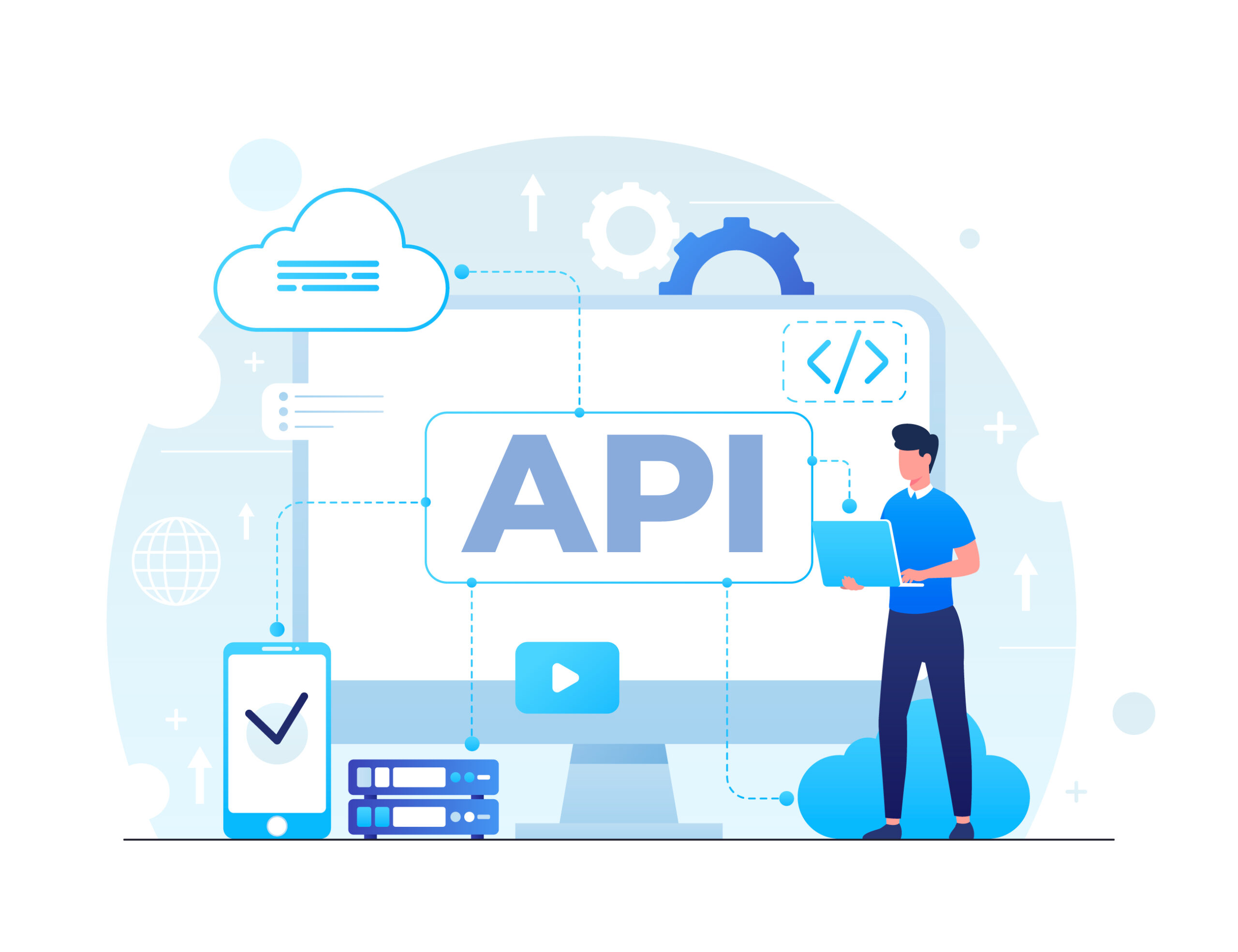
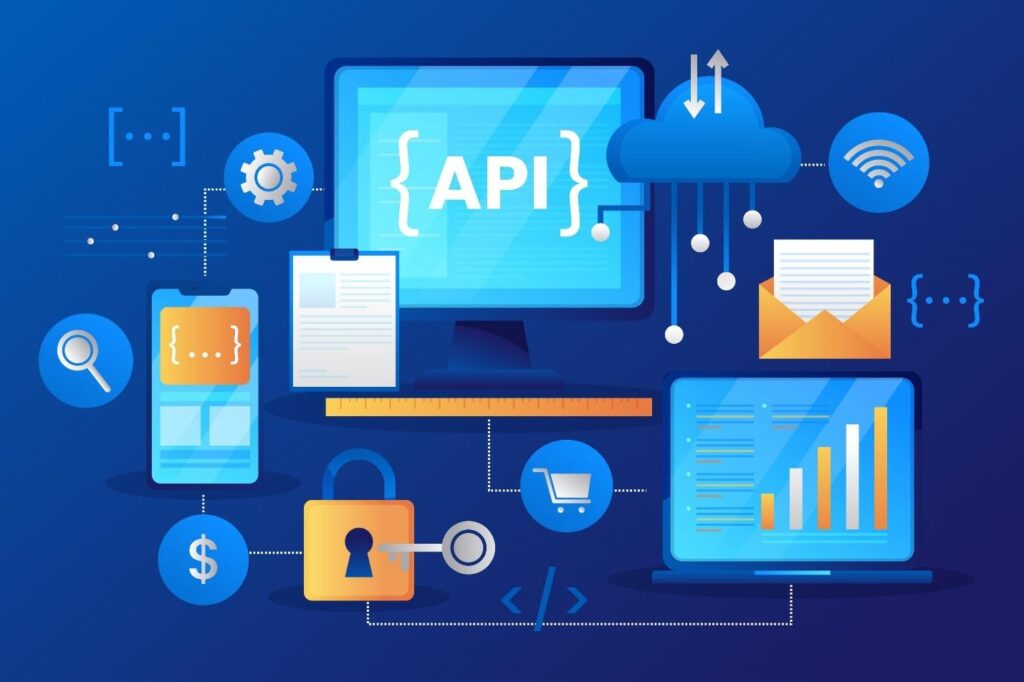
Since API endpoints are in charge of delivering queries and receiving results from the AI model, developers must also comprehend how they operate.
A well-thought-out architecture guarantees:
- Low latency responses
- Better scalability
- Easier maintenance
- Lower operating expenses
Step 3: Configure Secure Access and Authentication
A crucial element of any AI system is security.
Developers must set up the following in order to connect your application to OpenAI services:
- API keys
- Environment variables
- Secure server requests
Your system should never expose API keys in frontend code.
Requests should instead go via your backend server, which can securely manage authentication.
Additionally, companies need to think about Database Security 2026 tactics, which guarantee that private information is encrypted and shielded from contemporary cyberattacks.
Security best practices include:
- Token rotation
- Role-based access control
- Data encryption
- Audit logging
Step 4: Build Intelligent Features with Efficient Data Exchange
Once authentication is configured, developers can start sending requests to the AI service.
Most AI APIs communicate using structured data formats. This is where JSON handling becomes essential.
JSON allows applications to:
- Send prompts or data to AI models
- Receive structured responses
- Process results programmatically
Example workflow:
- User submits a question in the app
- Backend formats the request as JSON
- API processes the prompt
- AI response returns as structured JSON
- Application displays the result
The seamless integration of AI responses into the user interface is ensured by this organized communication.
Step 5: Reduce Expenses and Boost Performance
Although AI services are powerful, they can become costly if they are not optimized.
One key strategy is Token optimization, which involves reducing unnecessary input text and controlling the length of AI responses.
Benefits include:
- Lower API costs
- Faster response times
- Improved scalability
Optimization techniques include:
- Shorter prompts
- Response length limits
- Context trimming
- Request batching
Additionally, effective rapid engineering decreases the need for repeated queries and increases accuracy.
Step 6: Evaluate, Track, and Enhance AI Results
AI features require continuous testing to ensure quality results.
Testing should focus on:
- Response accuracy
- Bias detection
- Latency performance
- Edge cases
Companies should implement monitoring tools that track:
- API usage
- Error rates
- Response times
- User feedback
Teams may improve procedures, improve prompts, and improve user experience by studying this data.
Step 7: Expand Your Intelligent Program
After successful testing, the final step is scaling your AI capabilities.
Scaling strategies include:
- Load balancing for high traffic
- Caching common AI responses
- Using asynchronous requests
Putting rate limitations in place
This guarantees that thousands or even millions of users won’t cause your application to run poorly.
Businesses can now extend AI’s capabilities to new features like sophisticated personalization, automated reporting, and predictive analytics.
How Tambena Consulting Benefits Companies Put AI into practice
Even while it can seem simple, putting AI into practice successfully calls for both technical know-how and careful planning.
This is where Tambena Consulting can help.
Tambena Consulting provides end-to-end AI & GPT integrated services for companies looking to implement AI solutions, including:
AI Planning and Strategy
They assist companies in creating implementation strategies and identifying high-impact AI prospects.
Intelligent App Architecture
Their professionals create secure, scalable architectures that effectively incorporate AI services.
Integration and Development
Tambena Consulting assists with building AI-powered features and connecting applications with advanced models.
Compliance and Security
They guarantee that all AI applications adhere to contemporary cybersecurity and data protection regulations.
Optimization of Performance
Their experts assist businesses in optimizing performance while lowering AI operating expenses.
Working with a seasoned AI app development business can significantly speed up deployment and lower risks for companies lacking internal AI knowledge.
Intelligent Applications’ Future
Artificial intelligence is no longer exclusive to IT companies or research labs.
AI is currently being incorporated into commonplace applications by startups, SaaS platforms, and large corporations.
AI-powered software will rule fields like these in the upcoming years:
- customer support automation
- marketing personalization
- financial forecasting
- healthcare diagnostics
- knowledge management systems
Businesses who start implementing AI now will be in a better position to compete in the upcoming wave of digital innovation.
Conclusion
It doesn’t have to be difficult to incorporate AI into your company software. You may successfully include advanced capabilities into your program by adhering to a disciplined framework, which covers everything from creating use cases to scaling intelligent features.
Today, companies that invest in AI app development are laying the groundwork for more intelligent products, improved consumer experiences, and more effective operations.
Working with professionals like Tambena Consulting can assist turn complicated AI technologies into workable, scalable solutions if your company is considering integrating AI.
FAQs
What is AI app development?
The process of developing software applications that make use of artificial intelligence technologies like machine learning, natural language processing, and predictive analytics is known as AI app development. These programs are capable of data analysis, comprehension of user input, task automation, and ongoing performance improvement based on fresh data.
What are the advantages of applying AI?
AI has many benefits for contemporary applications, such as:
- Automating repetitious tasks
- Customized user experiences
- Quicker examination of data
- Better decision-making
- Chatbots for improved customer service
- For business strategies, predictive insights
These advantages assist businesses in increasing productivity while providing people with better services.
Which AI app features are some examples?
AI-powered functionality can be found in many contemporary apps, including:
- Intelligent virtual assistants and chatbots
- Systems that recognize voices
- Customized product suggestions
- Algorithms for detecting fraud
- Recognition of images and documents
- Content creation that is automated
These features improve consumer engagement and streamline processes for organizations.
How does an AI program grow and learn?
Training and feedback loops help AI systems get better.
To find trends and connections, they examine big datasets. Machine learning models adapt their predictions and outputs over time in response to fresh data, user feedback, and performance assessments.
AI systems can become more precise and efficient because to this ongoing learning process.
How is data used in the creation of AI apps?
AI systems are built on data.
To train models to identify patterns, make predictions, or comprehend language, developers employ datasets. New data is used in the application to improve accuracy and optimize the AI model.
Better AI performance and more dependable outcomes are guaranteed by high-quality, well-structured data.
Are you prepared to use AI into your business application?
To speed up your intelligent product journey, start by identifying your AI use case and investigating professional advice from Tambena Consulting.