
Businesses across the United States rely heavily on data to operate, innovate, and grow. From customer records to financial transactions, databases hold some of the most valuable digital assets an organization owns. That’s why many business owners ask an essential question: what is database security, and how can they protect their systems from increasingly advanced cyber threats?
The challenge has become even more serious with the rise of AI-driven cyber attacks. Hackers are now using artificial intelligence to scan systems, automate vulnerabilities, and launch sophisticated attacks faster than ever before. Without a strong security framework, a single breach can expose millions of records, damage customer trust, and cause significant financial loss.
In this guide, we’ll explore the latest Database Security 2026 trends, explain how modern threats work, and show how organizations can strengthen their defenses. We’ll also discuss how professional cybersecurity support from Tambena Consulting can help businesses secure their data infrastructure against evolving threats.
Why Modern Databases Are Prime Targets
Today’s organizations collect and store massive amounts of data. Everything from healthcare systems and financial institutions to e-commerce stores depends on databases to run daily operations.
Unfortunately, this concentration of valuable information makes databases extremely attractive to cybercriminals.
Common motivations for database attacks include:
- Stealing personal customer data
- Financial fraud
- Corporate espionage
- Ransom demands
- Infrastructure disruption
AI technologies have made it easier for attackers to automate the discovery of vulnerabilities and launch attacks at scale. This means traditional security measures are no longer enough.
Businesses must now rethink how they approach data security in order to stay ahead of cybercriminals.
A Practical Explanation of Secure Database Systems
At its core, database protection involves securing data from unauthorized access, corruption, or theft throughout its lifecycle. It includes policies, technologies, and processes that safeguard databases at every layer of an organization’s IT environment.
In simple terms, when professionals discuss what is database security in DBMS, they are referring to the set of mechanisms within database systems that ensure only authorized users can access or manipulate data.
Effective database protection focuses on three critical principles:
- Confidentiality: Only authorized individuals can access sensitive information.
- Integrity: Data remains accurate and unaltered by unauthorized activity.
- Availability: Systems remain operational and accessible when needed.
Without these safeguards, businesses risk severe operational disruptions and regulatory penalties.
Common Database Attack Methods in 2026
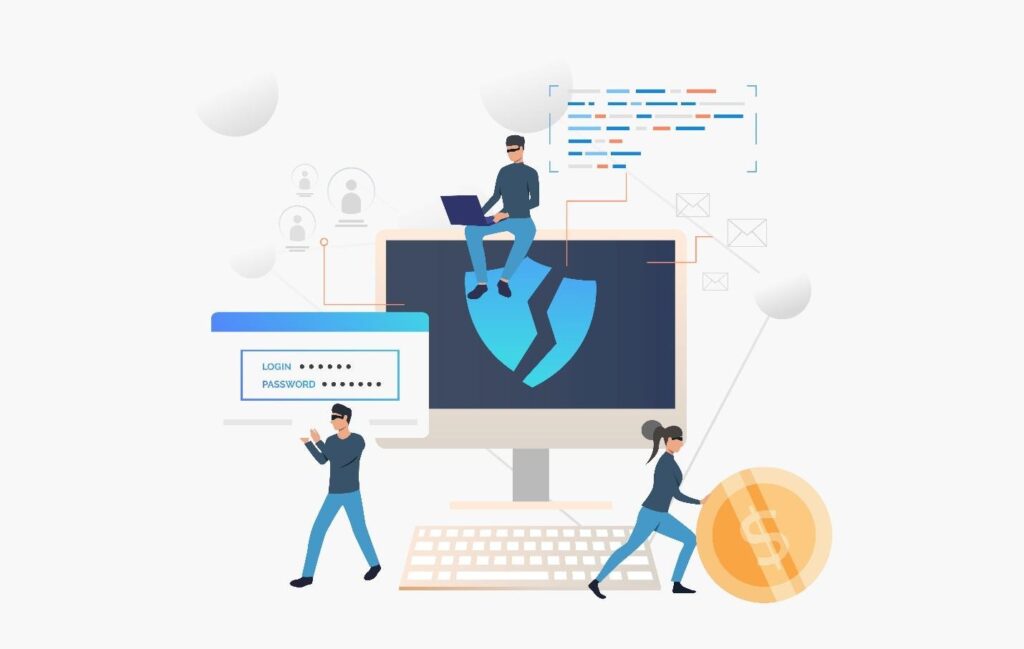
1. Injection Attacks
One of the most common database attacks involves malicious code being inserted into database queries.
This is why SQL injection prevention remains a critical defense technique. Attackers exploit poorly written queries to manipulate databases, retrieve sensitive information, or gain administrative access.
Preventing this attack requires secure coding practices, input validation, and parameterized queries.
2. Credential Theft
Hackers frequently steal login credentials through phishing, malware, or password reuse.
To counter this risk, companies are implementing MFA, which requires users to verify their identity through multiple authentication factors.
Even if attackers obtain a password, they cannot access the system without the second authentication step.
3. Ransomware Attacks
Ransomware is one of the most devastating threats facing organizations today. Attackers encrypt database files and demand payment for their release.
A strong Ransomware defense strategy focuses on rapid detection, isolation, and recovery mechanisms that prevent attackers from locking critical systems.
4. Insider Threats
Not all threats come from outside the organization.
Employees, contractors, or partners with database access can intentionally or accidentally expose sensitive data. Insider risk management policies, strict access controls, and monitoring tools are essential safeguards.
Why Traditional Security Is No Longer Enough
Many businesses still rely on outdated database security methods that were designed for a very different threat landscape.
Traditional systems often fail because they:
- Focus only on perimeter defense
- Lack real-time monitoring
- Have weak authentication systems
- Store backup data improperly
- Ignore insider threats
As cyber attacks become more sophisticated, these gaps leave organizations vulnerable to large-scale data breaches.
The consequences can be severe:
- Millions of dollars in financial losses
- Legal penalties and compliance violations
- Damage to brand reputation
- Loss of customer trust
Companies must adopt modern cybersecurity strategies that address the realities of today’s digital threat environment.
Modern Database Protection Strategies

Strengthening Your Data Infrastructure
To stay protected in 2026 and beyond, organizations must implement layered security strategies designed to address evolving cyber threats.
Below are several essential components of modern database protection.
Secure Backup Strategies
One of the most effective ways to recover from cyber attacks is by maintaining secure backup systems.
Modern organizations now rely on Immutable backups, which cannot be altered or deleted by attackers. Even if ransomware infects the system, clean backup copies remain intact for recovery.
This approach dramatically reduces downtime and financial loss during cyber incidents.
Access Control and Identity Management
Access permissions must be carefully managed across every database environment.
Security teams should implement:
- Role-based access control
- User activity monitoring
- Session logging
- Privileged access restrictions
These measures ensure only authorized personnel can interact with sensitive data.
Secure Database Architecture
Strong security also begins with proper system design.
A robust database management structure includes:
- Encrypted storage layers
- Network segmentation
- Firewall protections
- Regular patch updates
These measures reduce the attack surface available to cybercriminals.
How Tambena Consulting Helps Businesses Strengthen Database Security
Many organizations lack the internal expertise required to build a comprehensive database protection strategy. This is where cybersecurity specialists play an important role.
Tambena Consulting provides tailored cybersecurity solutions with its database managed services that help businesses identify vulnerabilities and build resilient data protection systems.
Their services typically include:
Security Risk Assessments
Tambena experts conduct detailed security audits to identify weaknesses in existing database infrastructure.
This includes evaluating:
- Access permissions
- Network architecture
- Authentication systems
- Backup configurations
The result is a clear roadmap for improving database protection.
Advanced Monitoring Implementation
Modern cyber threats require constant monitoring.
Tambena Consulting helps organizations deploy intelligent monitoring platforms capable of detecting unusual activity patterns across their systems.
These tools enable security teams to identify attacks in their early stages and respond quickly before data loss occurs.
Compliance and Data Protection Strategy
Many industries must follow strict regulatory standards for protecting sensitive information.
Tambena Consulting helps organizations meet compliance requirements while maintaining strong cybersecurity practices.
This approach ensures both operational security and legal protection.
Future Trends Shaping Database Security
AI-Driven Defense Systems
Just as attackers use artificial intelligence, cybersecurity teams are now leveraging AI to predict and prevent attacks.
AI security tools can analyze huge volumes of network data to identify suspicious behavior patterns faster than human analysts.
Zero Trust Architecture
Zero Trust security models assume that no user or device should automatically be trusted, even inside the network.
Every request must be verified before accessing database resources.
Automated Incident Response
Organizations are increasingly adopting automated systems that detect threats and isolate affected systems within seconds.
This rapid response helps minimize the damage caused by cyber attacks.
Conclusion
Understanding what is database security is no longer optional for modern businesses—it is a critical component of organizational survival in today’s digital economy.
With AI-driven attacks becoming more sophisticated, companies must implement stronger database protection strategies that include real-time monitoring, secure authentication systems, and reliable backup solutions.
Partnering with experienced cybersecurity providers like Tambena Consulting allows businesses to build resilient systems capable of withstanding modern cyber threats.
Organizations that invest in proactive security today will not only protect their valuable data but also strengthen customer trust and ensure long-term operational stability.
FAQs
What are the challenges of database security?
Database security faces several challenges due to the rapidly evolving cyber threat landscape. Some of the most common challenges include:
- Increasing sophistication of cyber attacks
- Insider threats from employees or contractors
- Misconfigured access permissions
- Poorly secured applications
- Lack of monitoring tools
- Data compliance and regulatory requirements
Organizations must constantly update their security frameworks to address these risks effectively.
How you can deploy database security?
Deploying database protection involves implementing multiple layers of defense across the IT infrastructure.
Key steps include:
- Conducting a security assessment
- Implementing strong authentication systems
- Restricting access permissions
- Encrypting sensitive data
- Monitoring database activity
- Maintaining secure backup systems
Working with cybersecurity experts such as Tambena Consulting can help organizations deploy these security systems efficiently.
What are database security best practices?
To protect critical business data, organizations should follow several best practices:
- Implement strong password policies
- Use multi-factor authentication
- Regularly update database software
- Monitor user access and activity logs
- Conduct routine security audits
- Train employees on cybersecurity awareness
- Maintain secure offline backup copies
These practices help businesses minimize risks and ensure their data remains protected against modern cyber threats.