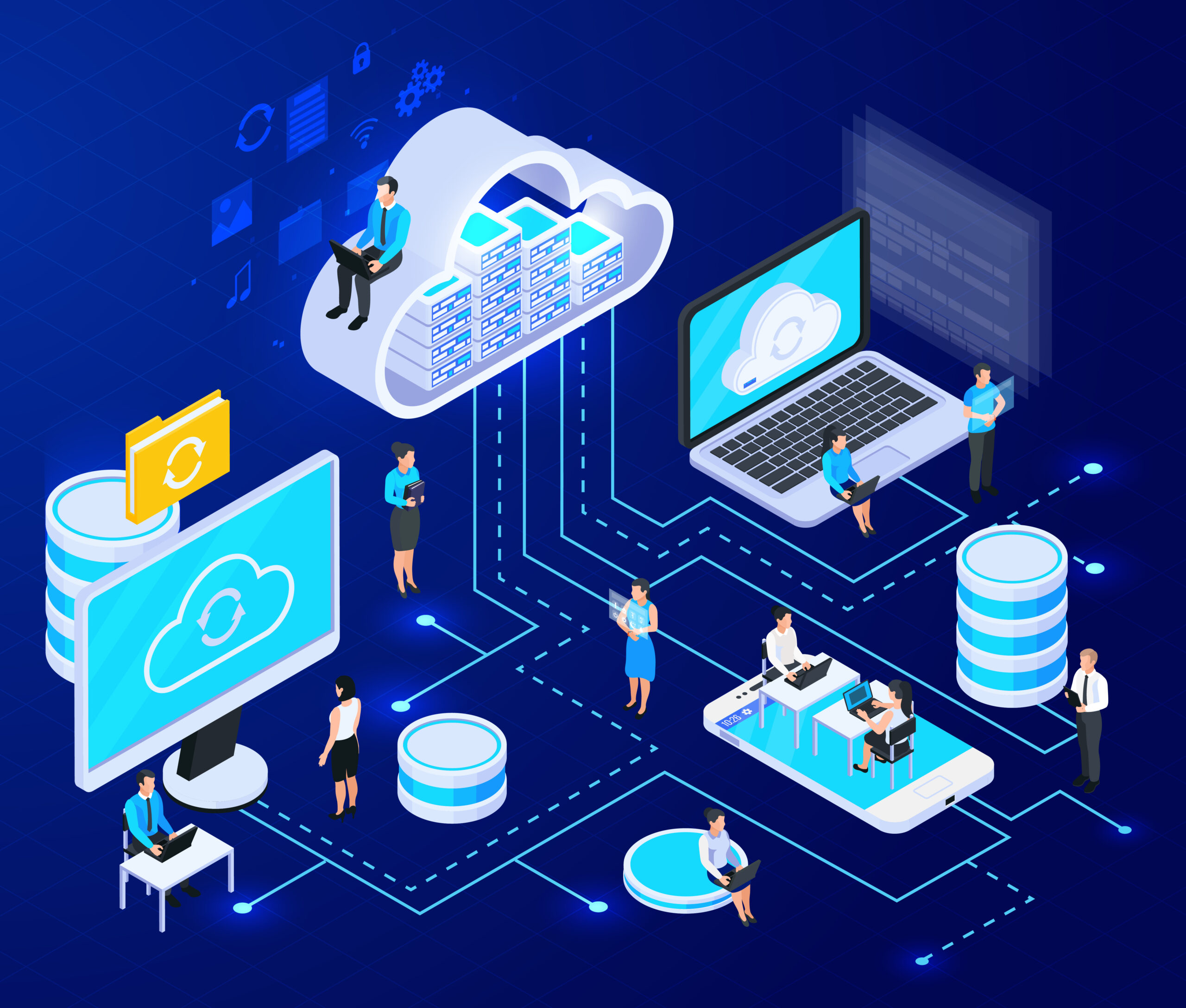
Corporate security has moved far beyond locked doors and security guards at reception desks. Modern organizations operate across digital networks, hybrid work models, cloud infrastructure, and physical facilities spread across multiple locations. As risk surfaces expand, traditional monitoring tools struggle to keep pace with the volume and complexity of potential threats.
Artificial intelligence is reshaping how companies detect, assess, and respond to risks. From network intrusion detection to physical access control, AI is helping enterprises shift from reactive security models to predictive, adaptive defense strategies. The transformation is visible across cybersecurity operations, facility management, and integrated enterprise risk platforms.
The Shift from Reactive to Predictive Security
For decades, corporate threat detection relied heavily on predefined rules. Firewalls blocked suspicious IP addresses and antivirus software scanned for known malware signatures. On the physical front, security teams reviewed camera footage after an incident occurred.
While effective to a degree, these systems depended on known patterns. Anything unfamiliar could slip through unnoticed.
AI introduces behavioral analysis into the equation. Instead of looking only for signatures, machine learning models evaluate deviations from normal activity. This approach allows organizations to identify threats that traditional systems might overlook.
It is also useful in corporate cybersecurity. An IBM article explains how traditional cybersecurity struggles to keep pace with the growing volume and sophistication of cyber threats. AI-powered threat intelligence uses machine learning, deep learning, and real-time analysis to process large datasets, identify patterns, and detect anomalies.
It can forecast potential attacks before they occur, enabling organizations to shift toward proactive defense strategies. This helps improve efficiency, allows continuous adaptation to new risks, and shares threat insights across networks.
What role does historical data play in predictive threat detection?
Historical data helps machine learning models identify recurring behavior patterns and baseline performance metrics across systems and users. Over time, AI systems refine their understanding of what constitutes normal activity. This context allows predictive models to identify early warning signals that might indicate an emerging threat before it becomes severe.
AI in Physical Security Systems
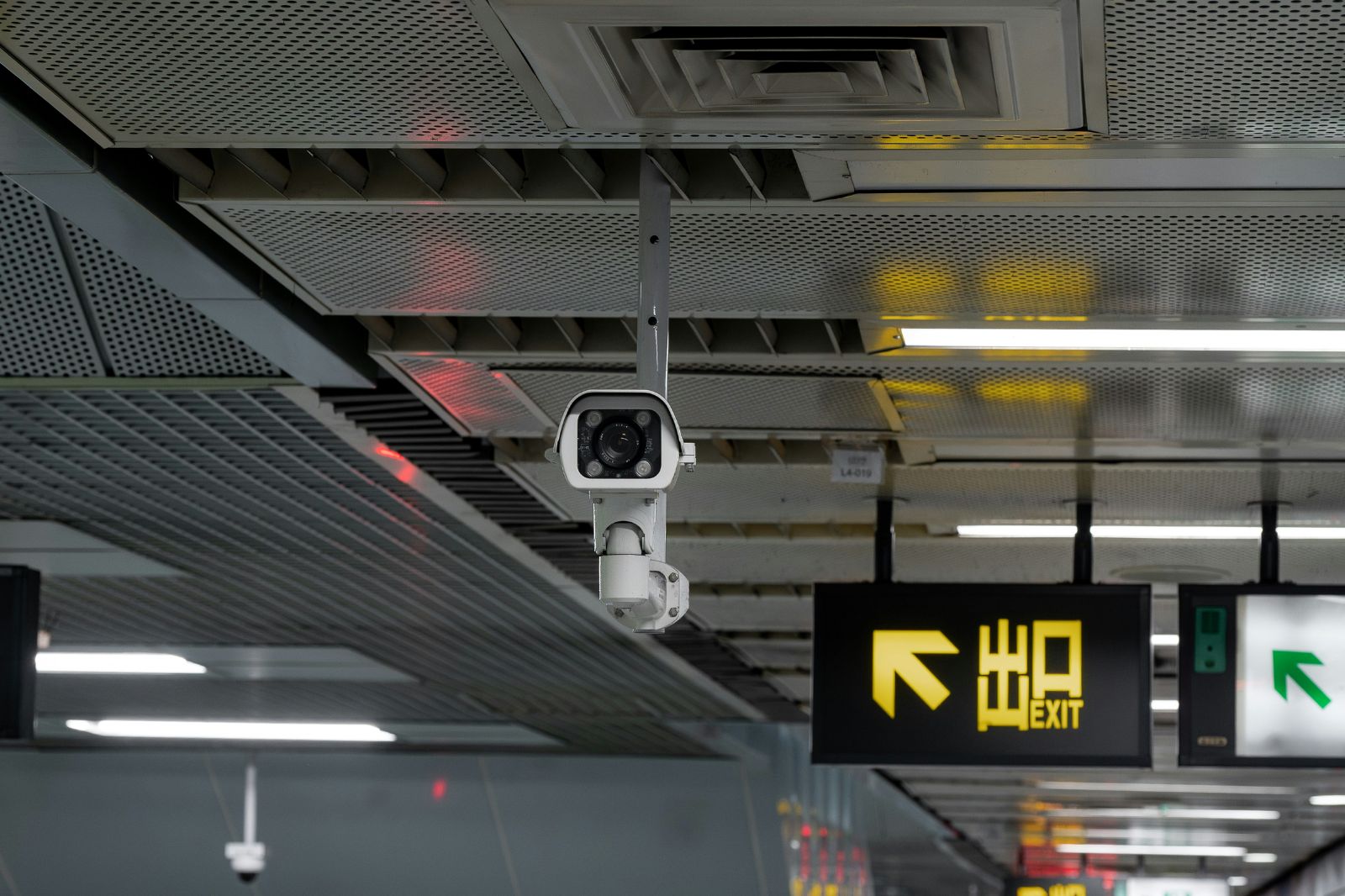
Corporate campuses, manufacturing plants, and research facilities require sophisticated physical protection strategies. AI-powered surveillance systems now use computer vision to identify suspicious behavior, detect unattended objects, and analyze crowd movement.
Consider stadium management or airport security, where the crowd includes hundreds or thousands of people. A Sports Business Journal’s technology newsletter offers a glimpse into this. An interview with the CEO of CEIA Opengate’s parent company discusses the increasing importance of security technology.
According to GXC Inc., these are easy-to-set-up detection tools. They are freestanding pillars that can detect weapons. Whether a person is carrying the weapons or has them in their bag, these tools can detect them.
Use of AI adds another layer of security to them. CEO Luca Cacioli says that a detector in itself is just a tool and can’t handle every aspect of security. Integrating AI here should be part of a bigger approach for comprehensive physical security. Thus, in high-security environments, screening equipment such as CEIA OPENGATE is often connected to broader security networks.
How does AI improve surveillance accuracy in corporate facilities?
AI-powered surveillance platforms use advanced image recognition and motion analysis to differentiate between routine movement and suspicious activity. These systems can filter out normal operational behavior, such as scheduled deliveries, while highlighting irregular patterns. This reduces false alarms and enables security teams to focus on genuine risks.
Real-Time Threat Correlation Across Systems
One of AI’s most powerful contributions is its ability to correlate data across multiple platforms. Corporate environments generate enormous amounts of information from firewalls, endpoint devices, surveillance cameras, badge systems, and cloud applications. Human analysts cannot manually process this volume of data with sufficient speed.
AI platforms aggregate these data streams and search for patterns that indicate coordinated attacks. A phishing email, followed by credential misuse, followed by unusual building access, may appear unrelated in isolation. When analyzed together, they can reveal a coordinated breach attempt. Real-time correlation enables security teams to respond before damage escalates.
A Frontiers journal study shows how AI can be used for anomaly detection across Industrial Control Systems. It determines the optimal data window size using a Long Short-Term Memory Networks – Autoencoder (LSTM-AE) model. Next, it extracts correlated parameters using Pearson correlation, constructs a Latent Correlation Matrix, and a corresponding vector for system behavior.
A Multivariate Gaussian Distribution then detects anomalies using a threshold mechanism based on alpha and epsilon values. The method demonstrates improved performance, achieving gains of 0.96% in precision and 0.84% in F1-score.
Ethical Considerations and Data Privacy
While AI strengthens security, it also raises important ethical questions. Monitoring employee behavior, tracking physical movement, and analyzing communication patterns require responsible data governance practices. Organizations must balance risk mitigation with respect for privacy.
Transparent policies, clear consent procedures, and strict data retention standards are essential. AI models should operate within defined parameters and avoid unnecessary data collection. Regulatory compliance frameworks, such as data protection laws, influence how monitoring systems are configured and deployed.
Another important aspect involves governance and oversight of AI decision-making systems. Organizations should establish clear accountability structures that define who is responsible for reviewing automated alerts. The same goes for validating model outputs and addressing potential bias in detection algorithms.
Regular audits of AI models help confirm that threat scoring mechanisms remain accurate and do not disproportionately target specific departments. Continuous monitoring, retraining with updated datasets, and documented review processes strengthen trust in AI-driven security tools.
What role do third-party audits play in ethical AI governance?
Independent audits evaluate whether AI systems operate fairly, securely, and in accordance with privacy standards. External reviewers can assess model bias, data handling procedures, and compliance frameworks. These audits strengthen credibility and reassure stakeholders that security measures respect ethical boundaries.
Artificial intelligence is redefining how corporate environments identify and manage threats. From behavioral cybersecurity analytics to intelligent physical access monitoring, AI enables faster detection, stronger cross-system correlation, and more decisive incident response. It transforms security operations from reactive monitoring into proactive risk management.
Companies that integrate AI into their threat detection infrastructure position themselves to address emerging risks with agility and precision. As corporate ecosystems grow more complex, intelligent security frameworks will remain central to safeguarding assets, people, and information.