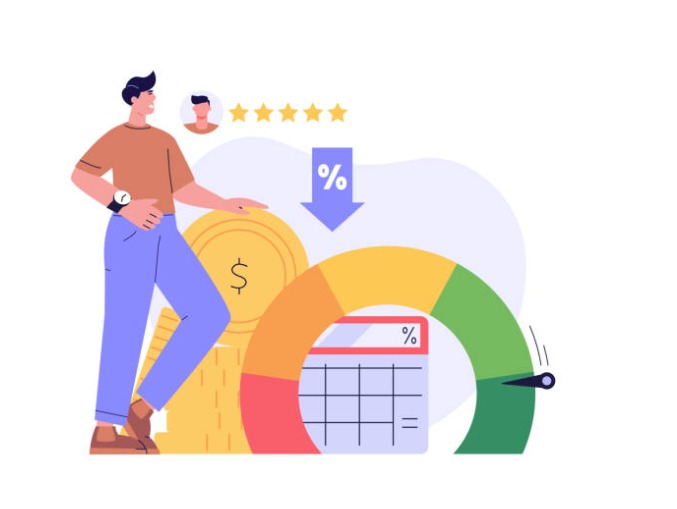
Installs are not revenue. Paid acquisition can drive large volumes of users, but if those users do not activate, return, and pay, ROAS collapses. Many teams focus on cost per install while ignoring what happens after day one. Lifetime value is determined by retention, and true profitability is determined by lifetime value.
Growth becomes a system when lifecycle messaging is used for activation, habit creation, repeat purchases, and re-engagement. Before growing budgets, teams interested in learning more about structured app growth models frequently examine the relationship between lifetime and paid acquisition. This article covers lifecycle mapping, messaging design, retention economics, and predictive retargeting.
Map the Lifecycle Before You Buy More Traffic
Buying more traffic without a lifecycle map usually increases waste. A simple lifecycle view shows where users drop off and where messaging can move them forward. Lifecycle stages should be defined in plain language. Each stage needs a clear user goal and a measurable outcome. Key lifecycle moments to define:
- first app open and onboarding completion;
- first meaningful action or core feature use;
- first purchase or subscription start;
- repeat engagement within a defined window;
- reactivation after inactivity.
When these moments are mapped, messaging becomes more precise. Paid budgets can then focus on segments that convert into retained users. A clear lifecycle map protects ROAS from shallow growth.
Messaging That Inspires Users Without Irritating Them
When lifecycle messaging aligns with context and intent, it is effective. Users react more favorably to instructions than to disruptions. Timing, relevance, and clarity all play a role in the distinction. Messages shouldn’t feel like noise added to the product experience, but rather like support at the appropriate time.
Effective lifecycle communication relies on behavioral triggers. It reacts to what the user did, did not do, or is likely to do in the future. This strategy lowers churn brought on by pointless prompts and raises perceived value. Engagement increases without raising message volume when messaging is in line with user activities.
Messages for Onboarding and Activation
The path to first value should be accelerated and friction should be eliminated by onboarding communications. Static walkthroughs are outperformed by context-based prompts that react to user activity. For instance, completion rates are raised by emphasizing the next logical step following account signup.
Clear microcopy also matters. Users should know right away what to do and how it will benefit them. Retention naturally improves when activation is quick and easy since users see value right away.
Win-Back and Retention Messages
When retention messages accurately represent usage trends, they are most effective. Behavior-based triggers detect times when a user is straying, as opposed to providing set weekly reminders. Frequent push notifications are frequently less effective than a gentle reminder at the appropriate moment.
Win-back flows should acknowledge inactivity without pressure. Giving a helpful update or feature enhancement fosters trust. Overuse of incentives can undermine long-term engagement while producing short-term surges.
Because placement and timing affect perception, many teams refine design patterns for in-app pop-ups. Before launching campaigns, messaging should go through a simple QA review:
- Confirm the message matches a clear user action.
- Check that timing aligns with real usage patterns.
- Check the copy for specific value and clarity.
- Start by testing the message on a brief segment.
After QA, frequency must stay controlled. Volume is consistently outperformed by relevance. Continuous testing guarantees that messaging adapts to changes in user behavior and product updates.
Retention Is What Makes ROAS Compounding
Retention changes the math of acquisition. When users stay longer and spend more, lifetime value increases. A higher LTV allows higher acquisition bids while keeping margins stable.
Netpeak US specialists often observe that campaigns with strong day-7 and day-30 retention outperform higher install volumes with weak engagement. Payback windows can be considerably altered by little retention gains. Retention and revenue are linked by the following metrics:
- retention rates on days 1, 7, and 30;
- average revenue per user over time;
- payback period on paid channels;
- lifetime value by acquisition source;
- repeat purchase or renewal rate.
Noise is produced when too many measurements are tracked. Concentrate on a compact, interconnected set. Because revenue builds up over longer user lifetimes, ROAS compounds when retention improves.
Predictive Signals for Wiser Retargeting
By focusing on people who would have come back anyhow, retargeting frequently loses money. Predictive signals help reduce that waste. Models can identify users who are likely to convert or churn by examining behavior patterns.
By concentrating spending on users with actual incremental potential, many growth teams investigate how predictive audiences increase remarketing effectiveness. Predictive segments allow more relevant messaging and lower acquisition costs. The result is not just more conversions, but better allocation of paid budgets.
Conclusion
Rarely does acquisition alone result in a higher ROAS. It develops from a networked system that includes contextual messaging, disciplined retention efforts, a mapped lifecycle, and more intelligent retargeting. Paid traffic turns into long-term revenue instead of short-term installs when each stage supports the one before it.
With expertise in app marketing, lifecycle messaging, performance measurement, and retention-led growth, a performance marketing firm like Netpeak US functions as an efficient partner in this process. Teams may increase lifetime value while safeguarding budgets through methodical experimentation, transparent reporting, and meticulous optimization. Disciplined execution, not transient surges, is the key to sustainable ROAS.