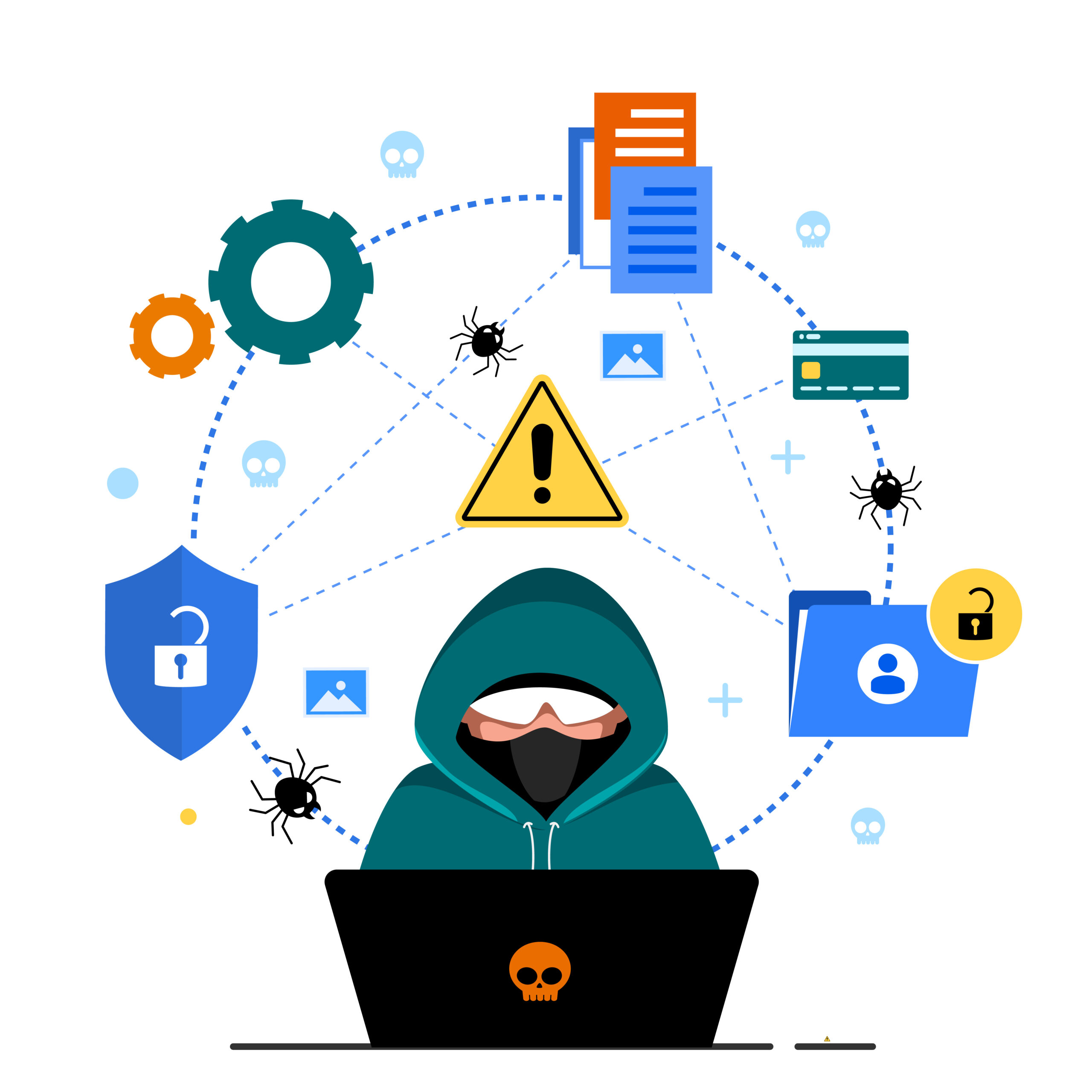
A hacked website may be a nightmare since it compromises your data, lowers your SEO rankings, and quickly erodes client trust. Cyberattacks are more frequent than ever, regardless of whether you own a commercial website, eCommerce store, or blog. The good news? Recovery is achievable and frequently happens more quickly than you might imagine.
Many business owners have questions like “Can I recover my website without losing everything” and “What should I do immediately after my site gets hacked?” This post tackles those real concerns with a tried-and-true strategy for regaining control, retrieving your data, and safeguarding your online profile.
Why Website Hacks Are a Serious Problem
Cybercriminals steal confidential information, insert malware, exploit loopholes, and even reroute your traffic. These issues with website security could damage your brand’s reputation and result in financial losses.
Imagine that phishing or spam pop-ups appear when a customer visits your website. Google may place your website on a blacklist, which would prevent any traffic. Even worse, your opponents can gain an advantage while you attempt to recover.
A well-structured rehabilitation program is crucial. Let’s discuss 12 doable methods for cleaning, securing, and restoring your website.
12 Steps to Recover a Compromised Website
1. Stay Calm and Confirm the Breach
Make sure your website is indeed compromised before acting. Signs consist of:
- Unexpected changes in direction
- Suspicious admin users
- Hosting provider warnings
- Google Safe Browsing notifications
Knowing the problem aids in selecting the best course of action for your rehabilitation.
2. Take Your Site Offline
To stop users from being harmed further, temporarily shut your website if it is infected. You are able to:
- Enable maintenance mode
- Suspend hosting access
- Block public traffic
This procedure safeguards both your brand and your visitors.
3. Backup Everything (Even the Infected Files)
Make a backup of everything, including the compromised files. You backup should include:
- Files
- Database
- Server logs
Later on, even compromised backups can be used to determine the source of the attack.
4. Identify the Type of Attack
Different fixes are needed for different hacks. Common types include:
- Malware injections
- SQL injections
- Brute force attacks
- Phishing pages
Recovering your compromised website is made easier when you comprehend the attack.
5. Scan for Malware and Vulnerabilities
Make use of trustworthy website security technologies like :
- Malware scanners
- Firewall analyzers
- Server-side scanning tools
These technologies find vulnerabilities and hidden hazards that need to be fixed.
6. Remove Malicious Code
Carefully clean your files:
- Delete suspicious scripts
- Remove injected code
- Replace infected files with clean versions
This is the core of effective website hack cleanup.
7. Restore Clean Backups
If your backup is clean:
- Restore your website to a secure earlier version.
- Before deploying, make sure the backup is clean of virus.
This can greatly expedite healing.
8. Update All Software and Plugins
One of the main points of entry for hackers is outdated software. Update:
- CMS (WordPress, Joomla, etc.)
- Plugins and themes
- Server software
Regular updates prevent future breaches.
9. Change All Passwords
Reset credentials for:
- Admin accounts
- Hosting accounts
- Database access
- FTP/SFTP accounts
Make sure each password is strong and distinct.
10. Strengthen Website Security
Boost your defenses by:
- Setting up firewalls
- Turning on two-factor authentication (2FA)
- restricting the number of login attempts
- Protecting rights for files
By taking these steps, the chance of reinfection is decreased.
11. Request Blacklist Removal
If your website was detected by Google or other search engines:
- Send in a request for reconsideration
- Use Google Search Console to review issues
Restoring your SEO rankings is aided by this procedure.
12. Monitor and Maintain Security
Cleanup is not the end of recovery. Continuously:
- Monitor traffic and logs
- Run regular scans
- Keep backups updated
Proactive monitoring ensures long-term safety.
How Tambena Consulting Can Help Your Business
It can be difficult and time-consuming to recover from a cyberattack, particularly for business owners who lack technological skills. Tambena Consulting services can help with it.
Tambena Consulting is an expert in:
- Quick identification and elimination of malware
- Advanced security audits
- Real-time monitoring solutions
- Customized recovery strategies
Our experts not only fix your website but also strengthen your infrastructure to prevent further breaches. If your business relies on your website, investing in professional help can save time, money, and reputation.
Common Mistakes to Avoid During Recovery
Ignoring the Root Cause of Website Compromise
Repeated attacks will result from only cleaning your website without addressing weaknesses.
Delaying Action After a Website Breach
Time is critical. Hackers might inflict greater harm the longer you wait.
Using Only Free Resources
Free tools are useful, but they could overlook sophisticated dangers. When necessary, combine them with expert solutions.
Expert Advice for Stopping Future Hacks
Employ Safe Hosting Companies
Select hosts with robust security measures and frequent updates.
Make Regular Backups
In the event of an emergency, automate backups to guarantee prompt recovery.
Educate Your Group
One frequent reason for breaches is human mistake. Educate your staff on fundamental cybersecurity procedures.
Take Control Before It’s Too Late
Your online presence doesn’t have to disappear if your website is hacked. You can recover swiftly and return stronger than before with the correct procedures, tools, and professional assistance.
If you’re unsure of where to begin, think about using experts like Tambena Consulting to take care of the technical details while you concentrate on your company.
Avoid waiting for another assault. Put these recovery strategies into practice, secure your website right away, and safeguard your digital assets going forward.
FAQs
Can a hacked website be recovered?
Yes, the majority of hacked websites can be entirely restored. You can reclaim control and restore functionality by locating the assault, eliminating malicious code, restoring clean backups, and bolstering security.
Who are the top 5 hackers?
Some historically well-known hackers include:
- Kevin Mitnick
- Adrian Lamo
- Gary McKinnon
- Anonymous (collective group)
- Jonathan James
These people became well-known for their varied online activities, yet many of them ultimately moved into ethical cybersecurity positions.
Which website got hacked?
Many major websites have been hacked, including:
- Yahoo
- Adobe
- eBay
These incidents highlight that even large organizations are vulnerable to cyberattacks.
How to get old websites back?
To recover an old website:
- Check for backups from hosting providers
- Use tools like the Wayback Machine
- Restore domain and hosting services
4. If required, rebuild the content.
Restoration is typically simple if backups are available; otherwise, reconstruction could be necessary.