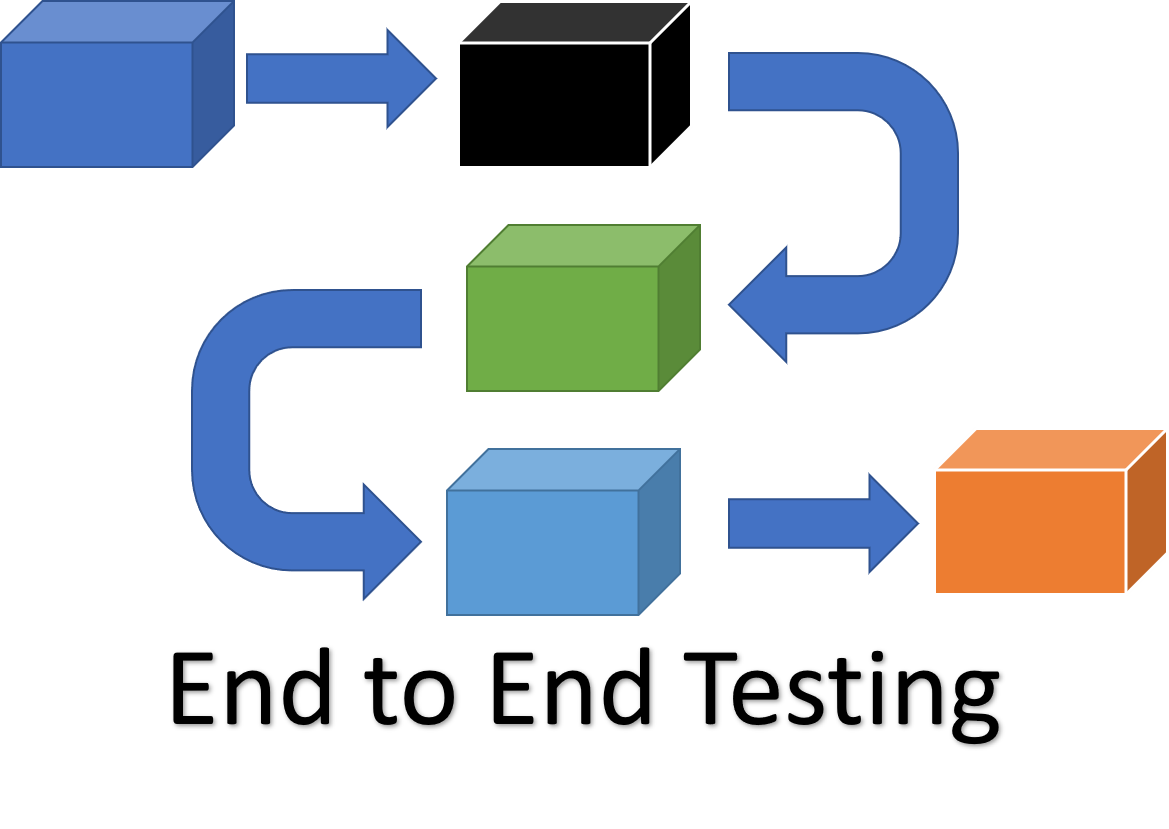
Modern systems require complete testing to support smooth operation. End-to-end automation follows real user paths across connected platforms. It checks whether every part of a process performs as expected. These tests help confirm that the system works from input to final result.
An Automation Framework or Automation Tool plays a key role here. It runs defined tasks, checks outputs, and logs results across systems. Tests sometimes cover both interface actions and backend logic. A structured tool helps deliver consistent checks across various features.
User Actions and Functional Coverage
End-to-end testing tracks actions a real user would complete. It starts with a basic task and follows it to the result. For example, placing an order or updating account details. The goal is to confirm that every step works as expected.
This testing approach checks more than isolated features or units. It verifies that all systems handle data correctly during full flows. Information should pass between parts without delay or error. Any missed link in the chain is flagged early for review.
System Behavior and Platform Connections
Modern tools rely on more than just code or screens. They connect databases, services, and application layers behind the scenes. Tests must confirm these layers work together under normal conditions. Any break between systems can affect the user experience.
Cross-platform behavior is also part of this coverage. A single feature may depend on several tools working together. End-to-end automation looks for weak points in those links. It ensures the whole system responds to user actions without failure.
Checks That Reflect Real Usage
Testing reflects what people do when they interact with the product. From signing in to making changes, steps follow common paths. Each interaction is measured for accuracy, performance, and data flow. The goal is to support real results, not just test cases.
Under this heading, here is a helpful bullet list of covered actions:
- Page load and content display
- Form input and data saving
- Account creation and updates
- Role-based access controls
- External service response
Each test in the list helps confirm reliable system behavior. If one step fails, it could affect the full process. Catching those issues early supports smoother delivery. It also limits repeat errors in future updates.
How Automation Solutions Support Testing
An Automation Framework or Automation Tool keeps testing accurate and repeatable. It supports the same checks across updates, new builds, or changes. These tools also help track test data and share outcomes with teams. They make testing more structured and easier to manage.
Reliable testing gives insight into how well a product works together. Full-flow coverage means fewer unknown issues during live use. Teams can review reports, spot patterns, and make quick decisions. A complete setup brings clarity, speed, and support to software development.
What Should You Look for in a Test Automation Partner?
Choosing a reliable partner for test automation requires more than tools alone. It’s important to work with teams who understand how to align testing with real development workflows. Experience across platforms, clear reporting methods, and scalable test coverage all matter. The right partner will focus on practical outcomes, not just technical setup.
Testing support should include strategy, framework design, and test execution. A structured process helps teams identify gaps, manage changes, and maintain consistent quality. Attention to both application behavior and test maintenance adds long-term value. The result is a stable and repeatable process built to support continuous development.