Choosing the right secure database management platforms can feel overwhelming, especially as businesses store more sensitive information than ever before. Whether you’re a startup or an enterprise-level company, finding a system that fits your performance needs, compliance requirements, and budget is essential. In this guide, we’ll walk through everything you need to know to make a confident choice.
How to Choose a Secure Database Platform That Fits Your Needs
Many businesses struggle to choose database management platforms that balance usability, speed, and security. With constant cyber threats, evolving compliance rules, and increasing user demands, selecting the wrong platform can lead to vulnerabilities, downtime, or expensive migrations later.
Industry conversations on tech forums reveal the same concerns:
- “How do I know if my database is truly secure?”
- “Do cloud databases put my information at risk?”
- “Which platform is easiest to scale?”
- “What security features should I prioritize?”
If you find yourself asking similar questions, you’re not alone, and you’re asking the right things.
The reality is that data breaches are more common than ever. A single vulnerability in your database infrastructure can expose thousands or millions of records. This leads to:
- Loss of customer trust
- Legal and compliance penalties
- Costly remediation efforts
- Operational downtime
- Long-term brand reputation damage
And choosing a platform without evaluating security models such as encryption standards, RBAC (Role-Based Access Control), audit logging, and access policies can set your business up for failure before the database is even deployed.
The good news? Selecting the right secure database management solution is absolutely achievable with the right framework. In this article, you’ll learn what to look for, what questions to ask vendors, and how Tambena Consulting can support your journey toward full data protection and database optimization.
Understanding Modern Secure Database Systems
Modern businesses must handle rapidly growing and highly sensitive datasets, customer records, financial information, proprietary assets, and internal workflows. That’s why secure database management has become a cornerstone of digital strategy.
Today’s best systems provide:
- End-to-end encryption
- User access controls
- Automated backups
- High-availability architecture
- Performance monitoring
- AI-powered threat detection (in emerging platforms)
Let’s break down the main elements to consider so you can choose a platform that truly fits your needs.
Key Factors to Consider When Evaluating Safe and Reliable Database Platforms
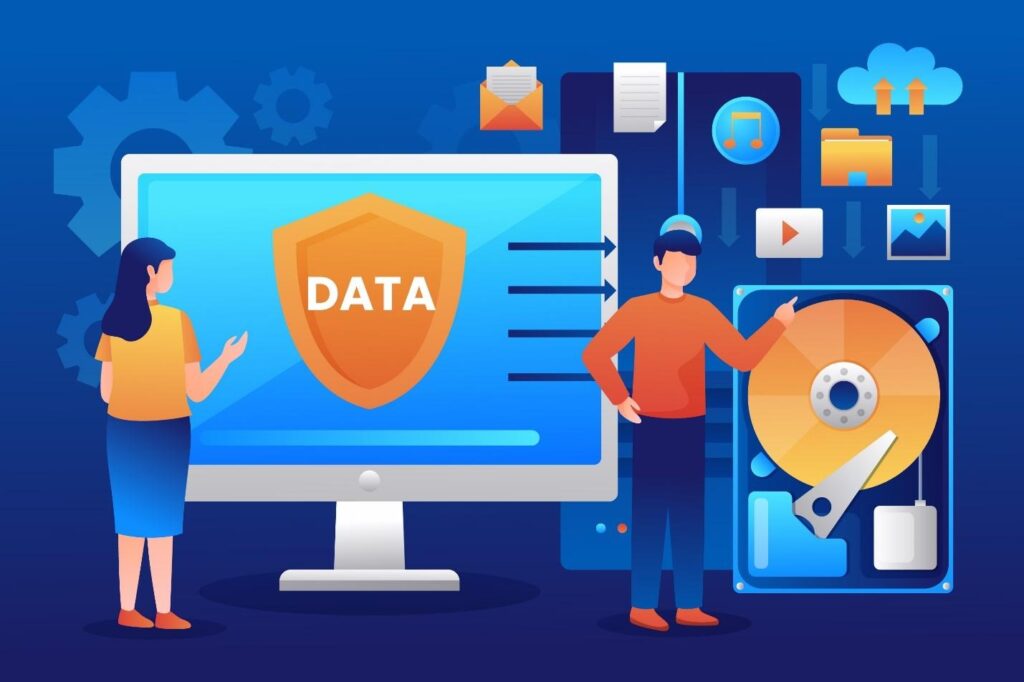
When evaluating safe and robust database solutions (synonyms for secure database management platforms), you’ll want to consider the following:
Security Architecture of Trusted Database Platforms
Your chosen system should support modern, layered security. Look for:
- Encryption at rest & in transit
- Multi-factor authentication
- Role-based permissioning (RBAC)
- Privileged access management (PAM)
- Threat and anomaly detection logs
- Zero-trust authentication models
Security shouldn’t be optional; it should be built into the core infrastructure.
Scalability and Performance Optimization in Protected Data Systems
Your business will grow, and your data needs will evolve. Scalable platforms typically include:
- Horizontal and vertical scaling
- Automatic load balancing
- High-availability clusters
- Low-latency replication
- Real-time analytics support
If your platform slows as your user base increases, it’s not a long-term solution.
Integration Capabilities in Advanced Secure Databases
A good platform should plug seamlessly into your existing stack. Check for:
- API integration options
- ORM compatibility
- Multi-cloud support
- Data warehouse integration
- ETL/ELT process compatibility
The more flexible the system, the easier it is to future-proof your architecture.
How to Compare Different Secure Database Management Platforms
Before deciding, compare platforms across:
- Open-source vs. commercial systems
- Cloud-native vs. on-premises
- Structured vs. unstructured data requirements
- AI-driven optimization features
- Vendor support and SLAs
Platforms like PostgreSQL, MongoDB, Oracle, MySQL, IBM Db2, and Microsoft SQL Server each bring different strengths. Cloud services like Google Cloud SQL, AWS RDS, and Azure SQL Database provide added automation and built-in security.
Common Mistakes Businesses Make When Choosing Encrypted Database Solutions
Avoid these mistakes that many Reddit and Quora users mention:
1. Ignoring compliance requirements
If you handle healthcare, financial, or government data, compliance must lead your decision.
2. Underestimating future scalability
Businesses often choose a limited platform and then face costly migrations.
3. Not evaluating the total cost of ownership
Some platforms appear inexpensive upfront but require paid add-ons to unlock necessary security.
4. Skipping vendor support reviews
Professional support can make or break your long-term success.
How Tambena Consulting Helps You Choose the Right Platform
Choosing a secure database management platform isn’t just a technical decision; it’s a strategic one. Tambena Consulting offers expert guidance to ensure your business selects the right system without the usual guesswork.
Tambena Consulting can support you by:
1. Conducting a full database needs assessment
We analyze your data types, growth projections, user access patterns, and security gaps.
2. Performing a competitor gap analysis
We identify where your competitors gain an edge through better technology and help you close that gap.
3. Recommending the best-fit secure database management solution
We match your business goals to industry-leading platforms.
4. Implementing configurations and security hardening
This includes encryption setup, identity management, and compliance alignment.
5. Ongoing monitoring and performance optimization
We ensure your system remains secure and performant as your business scales.
Choosing the Right Secure Database Platform
Selecting the right secure database management platforms is one of the most important technology decisions you’ll make. When done right, you’ll gain:
- Strong data protection
- Seamless workflow integration
- Faster performance
- Cost-efficient scalability
- Peace of mind
And with the right consulting partner, the process becomes significantly easier.
FAQs
What are the best data management platforms?
The best platforms depend on your business needs, but popular, high-performing options include PostgreSQL, MySQL, Microsoft SQL Server, MongoDB, Oracle, AWS RDS, Google Cloud SQL, and Azure SQL Database. Each offers unique strengths related to scalability, security, analytics, or cloud-native features.
What are the key features of a top-performing DMP?
A top-performing data management platform should include:
- Strong encryption
- Access control systems
- Fast query performance
- Real-time backup and recovery
- Scalability
- Flexible data modeling
- Monitoring and analytics tools
- Integration capabilities with cloud and on-prem systems
The best DMPs combine performance, reliability, automation, and modern security.